
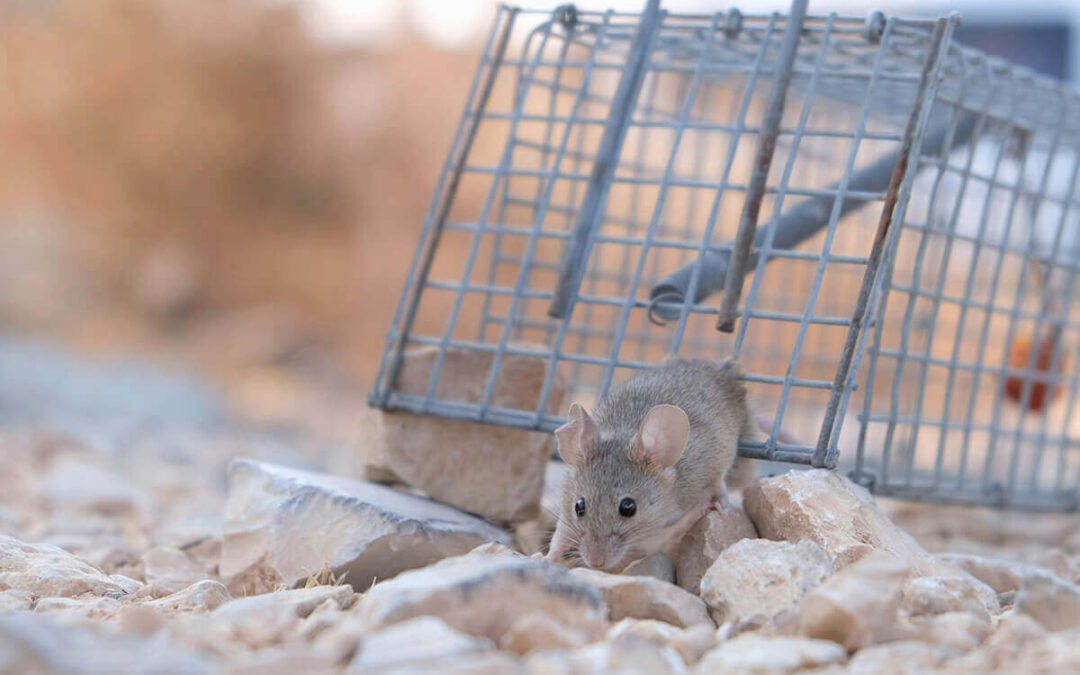
Winter does not mark the end of pest activity. It shifts the battlefield.
Driven by the primal need to survive freezing temperatures, pests like rodents, raccoons, and even overwintering insects turn their attention away from the frozen outdoors and towards the warmth and shelter of human dwellings.
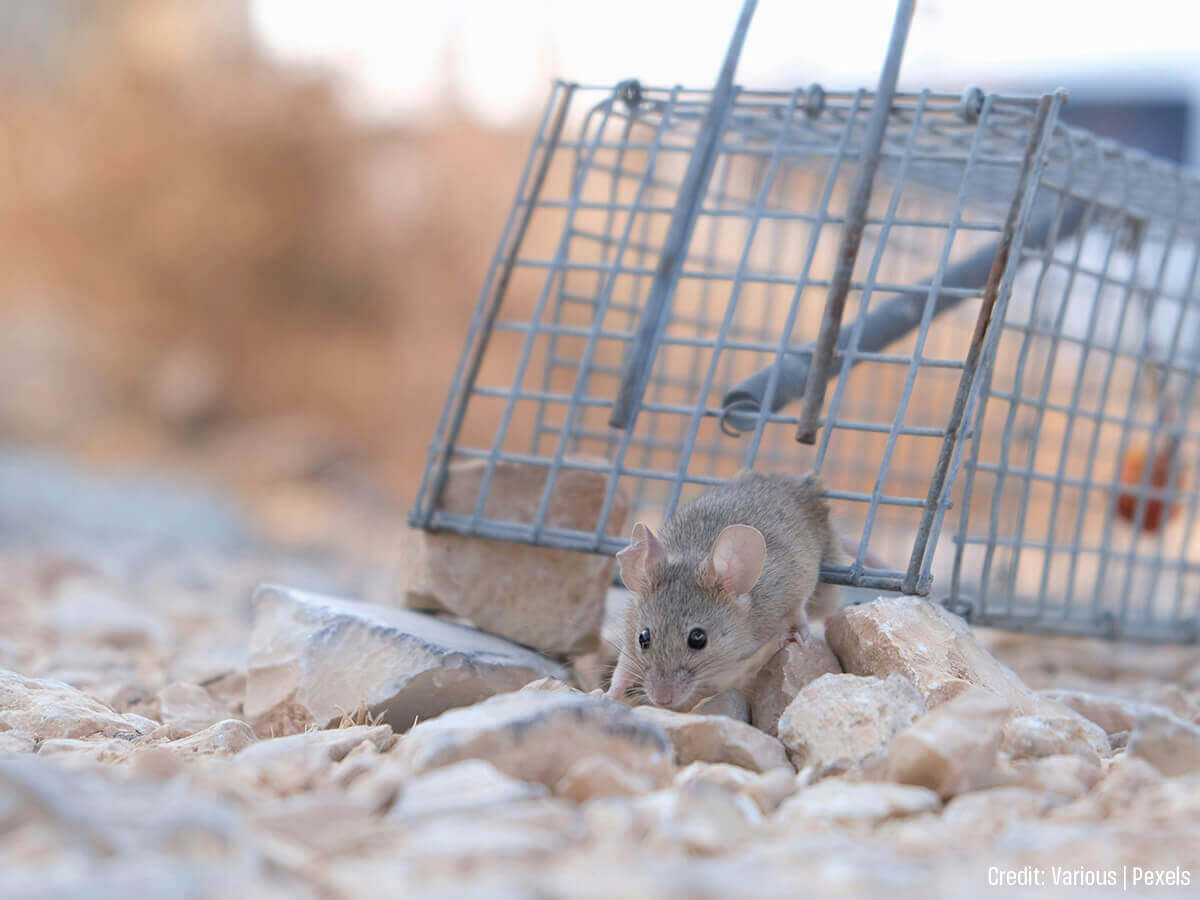
The discovery of a winter intrusion often triggers a reflexive “do-it-yourself” (DIY) response. A quick trip to the hardware store for traps or sprays seems like a cost-effective and immediate solution.
Yet, when pitted against the tenacity and biological adaptations of winter pests, these amateur efforts frequently fall short. The stakes in winter are higher – pests are more desperate, structural damage is more costly to repair in the cold, and the health risks remain significant.
Let’s look at why protecting your home from winter invaders is a task best left to the seasoned eye of a professional.
The Hidden Complexity of Winter Intrusions
The primary driver for winter pest infestations is a simple biological imperative: thermoregulation.
Unlike the summer months, where food is the primary motivator, winter is about heat conservation. This makes your home not just a feeding ground, but a life-support system for pests.
The average homeowner might spot a mouse scurrying across the kitchen floor or hear a scratching sound in the attic. In a DIY scenario, the response is usually to set a trap where the pest was seen.
However, a professional understands that the visible pest is merely a symptom of a larger breach. In winter, pests utilize “thermal bridging” – following heat escaping from your home to find entry points. They squeeze through gaps as small as a dime, often located in hard-to-reach areas like rooflines, weep holes, and utility entry points.
A professional’s eye doesn’t just look for the pest but also for the airflow and heat leaks that invited them in.
Wasps and Bees
Attics and wall voids often provide the perfect temperature for these sleeping giants. The danger arises when a sudden thaw or the artificial heat from your home tricks these queens into waking up early. A sluggish, confused wasp emerging into your living room in January is a common, yet alarming, occurrence.
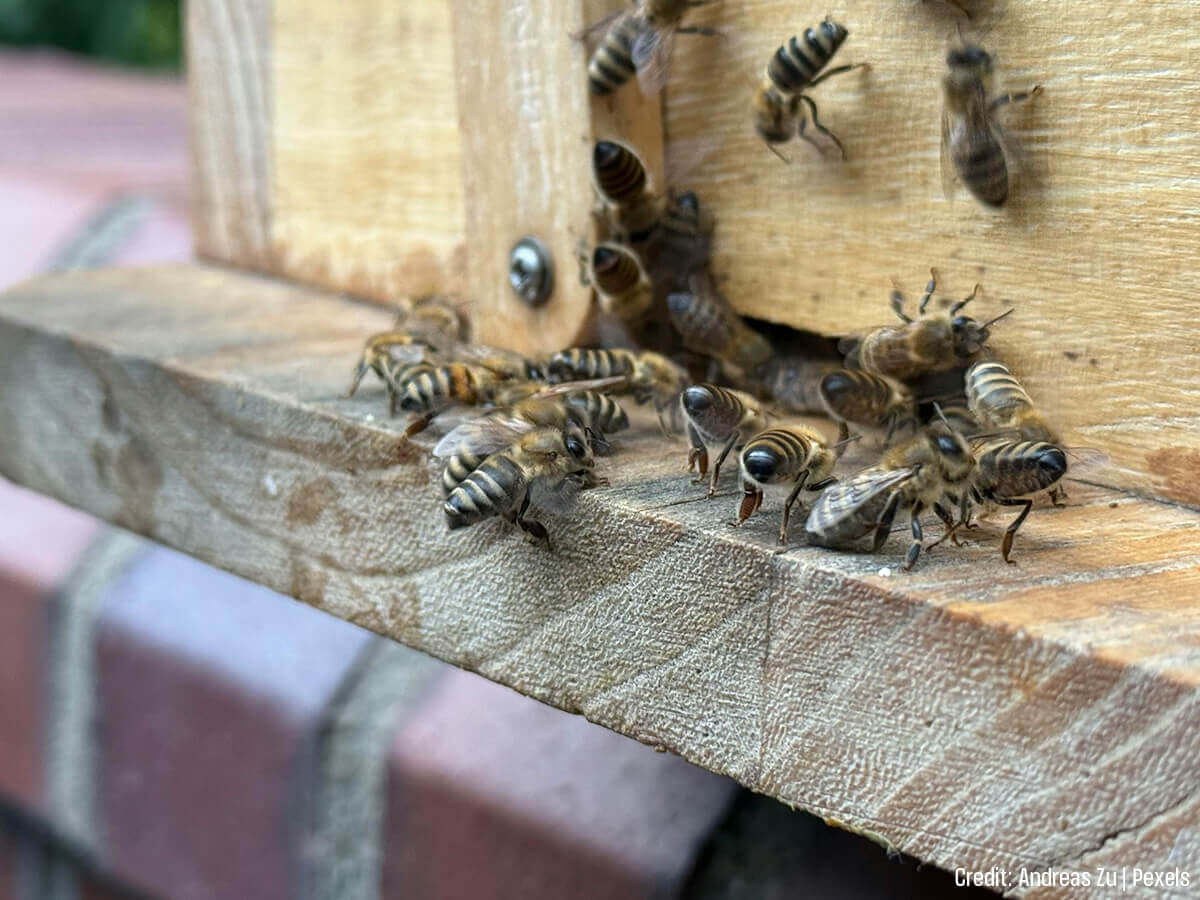
DIY attempts to handle these situations can be fraught with error. Spraying a visible nest in winter might seem safe, but if the nest is deep within a wall void, store-bought aerosols often lack the pressure and residual efficacy to reach the target. Furthermore, irritating a groggy but venomous insect inside your living space is a recipe for disaster.
For residents in specific regions, the architecture and local geography can influence these infestation patterns.
For instance, older homes with complex rooflines often require specialized attention, like our wasp and bee control in Midland, Ontario, where our professionals can identify the subtle entry points queens use to bypass standard insulation. An expert can safely extract these overwintering threats without causing them to swarm into the living areas of the home, a common side effect of amateur interference.
Mice and Rats
Rodents are the quintessential winter pest. They are active year-round and do not hibernate. Their metabolism demands a constant fuel source to maintain body heat, which drives them to forage incessantly.
The failure rate of DIY rodent control is notoriously high because it typically addresses the population, not the problem. Setting a snap trap might catch one mouse, but it does nothing to stop the scent trails that lead the rest of the colony to your pantry. Mice are prolific breeders; a single pair can produce a new litter every few weeks. If you are catching mice faster than you can count them, you aren’t solving the issue—you are merely managing a population explosion.
Furthermore, the risks associated with rodents go beyond simple nuisance. In their quest for nesting material, mice and rats will shred insulation, rendering your home less energy-efficient during the coldest months. More alarmingly, their need to gnaw to keep their incisors sharp often leads them to chew on electrical wiring, creating a significant fire hazard.
Effective exclusion requires a forensic approach. Professionals employ tracking powders, UV lights to spot urine trails, and exclusion materials that rodents cannot chew through, such as heavy-gauge steel mesh. In growing urban centers, the pressure on rodent populations to find shelter is immense.
This is particularly true for mice and rat control in Barrie, where density and development disrupt natural habitats, forcing rodent populations into residential basements and garages. An expert exterminator in this area knows that winter control isn’t just about bait; it’s about sealing the building envelope against a relentless siege.
The Heavyweights: Raccoons
The DIY approach to raccoon removal is not only ineffective but dangerous. Raccoons are formidable wild animals that can become extremely aggressive when cornered or if they are protecting young.
A homeowner attempting to chase a raccoon out of an attic with a broom or a loud noise risks severe injury. Moreover, amateur attempts often result in the animal being trapped inside the wall or attic, leading to a slow death and a horrific odor that can permeate the house for months.
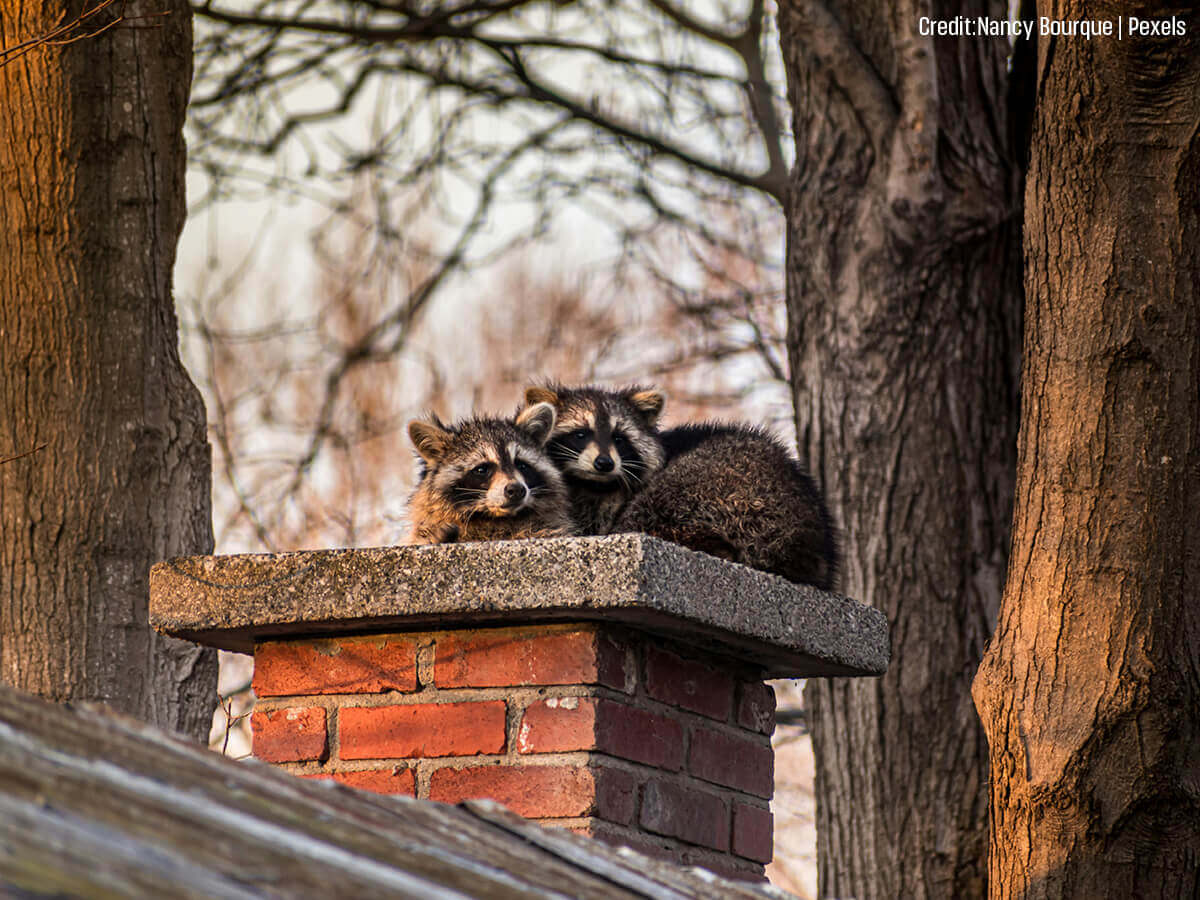
Raccoons also cause massive structural damage. They can rip off shingles, tear open soffits, and destroy roof vents to gain entry. Once inside, they trample insulation and leave behind latrines (waste piles) that can carry raccoon roundworm, a parasite that can be fatal to humans.
Specialized knowledge is required to handle these animals humanely and effectively. This is especially relevant for our raccoon removal in Orillia, where the proximity to nature means raccoons are larger, healthier, and more accustomed to testing human defences. Professionals use one-way doors that allow the animal to leave the attic to forage but prevent them from re-entering.
The Professional Advantage: Safety, Science, and Strategy
The disparity between DIY and professional pest control boils down to scope. DIY is reactive and localized; professional control is proactive and systemic.
- Safety: Professionals have the Personal Protective Equipment (PPE) to work in crawl spaces and attics where breathing in dust or dried droppings can trigger respiratory illnesses like Hantavirus. They also have access to products that are safer for your pets and children when applied correctly.
- Expertise: Identifying the species is half the battle. A Norway rat requires a different trapping strategy than a Roof rat. A Paper Wasp nest requires a different approach than a Yellow Jacket colony. Misidentification leads to wasted time and money.
- Long-term Cost: While a professional service has an upfront cost, the “tuition” paid by DIYers often ends up being higher. This includes the cost of ineffective products, the repair bills for damage that went unnoticed, and the potential medical costs of injury or illness.
If you suspect your home has become a winter refuge for unwanted guests, do not wait for the problem to escalate. Secure your home with the help of a trusted professional.
Call Mr. Pest Control today at (705) 739-7378 to schedule your comprehensive winter inspection.