
For many homeowners, the anticipated “silent night” of the season is interrupted not by carols but by a series of unsettling scratches, thumps, and squeaks emanating from the very structure of their home.
There are few things more unnerving than realizing you are sharing your living space with an unseen guest. When the temperature drops, your home becomes a beacon of warmth and shelter for wildlife and insects looking to survive the freeze.
While you may not see them immediately, these invaders often announce their presence through sound. The specific rhythm, volume, and timing of these noises can act as a diagnostic tool, helping you determine exactly what kind of creature has moved into your walls or attic. Understanding these auditory clues is the first step toward reclaiming your peace of mind.
Let’s dive into everything you should know to deal with this intrusion.
The Winter Migration: Why Is The Sound Coming from Inside the House?
Your wall voids and attics offer insulation from the wind and residual heat from your living quarters. Furthermore, these spaces often provide access to nesting materials—such as fibreglass insulation, cardboard, and paper—and proximity to food sources in your pantry.
When homeowners contact us for our pest control in Barrie, it is often because a small crack in the siding or an unsealed vent has turned into a highway for rodents seeking this exact combination of warmth and safety.
Decoding the Soundscape: Who Is In the Walls?
To identify your intruder, you must become an active listener. You need to pay attention to three main factors: the type of sound, the time of day (or night) it occurs, and the location of the noise.
1. The Light Scritch-Scratch: Mice
The most common winter invader is the house mouse. Mice are small, agile, and nocturnal.
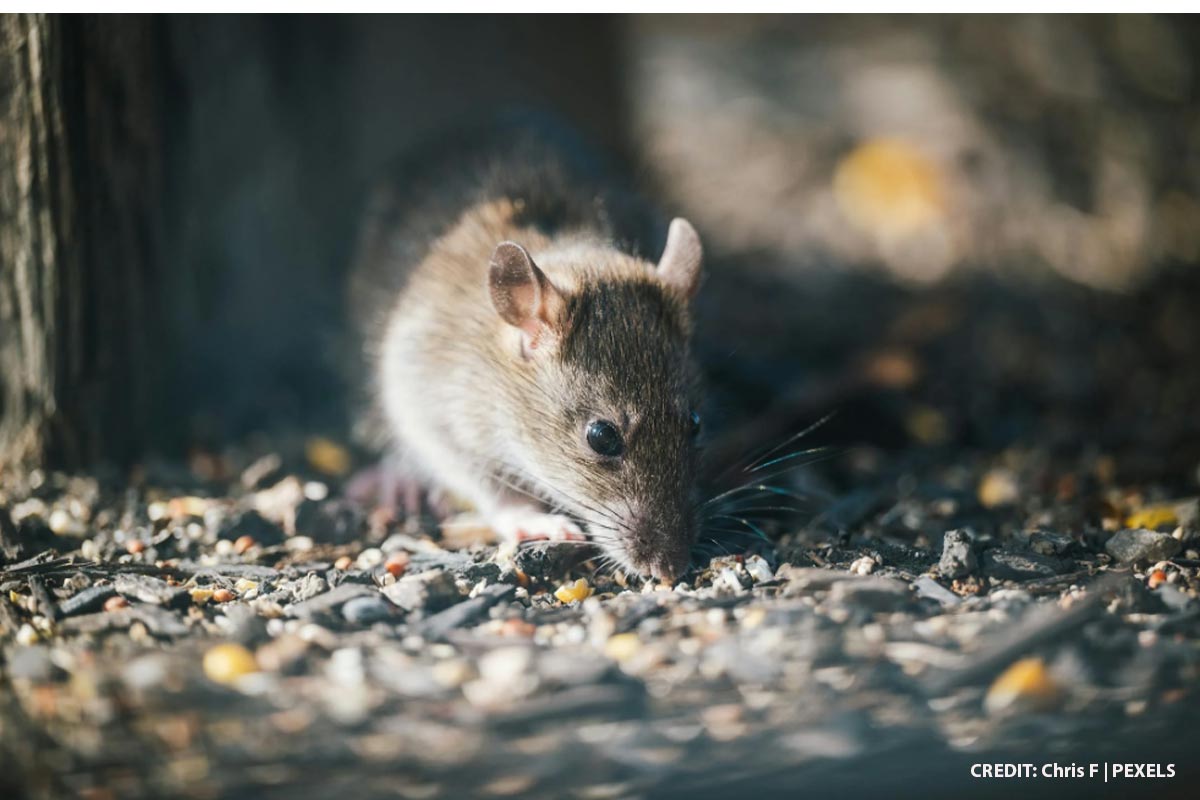
- The sound: Mice activity sounds like faint scratching, light scampering, or a subtle “gnawing” noise. It often sounds like something is vibrating against the drywall. Because mice are small, their footsteps are rarely heavy thumps. Instead, it sounds like a light, persistent rustling.
- The timing: Mice are nocturnal, so you will likely hear them shortly after the house goes quiet for the night.
- The location: Mice can fit into incredibly small spaces. You might hear them in the walls near the floorboards, in drop ceilings, or behind kitchen cabinets.
2. The Heavy Thump: Raccoons
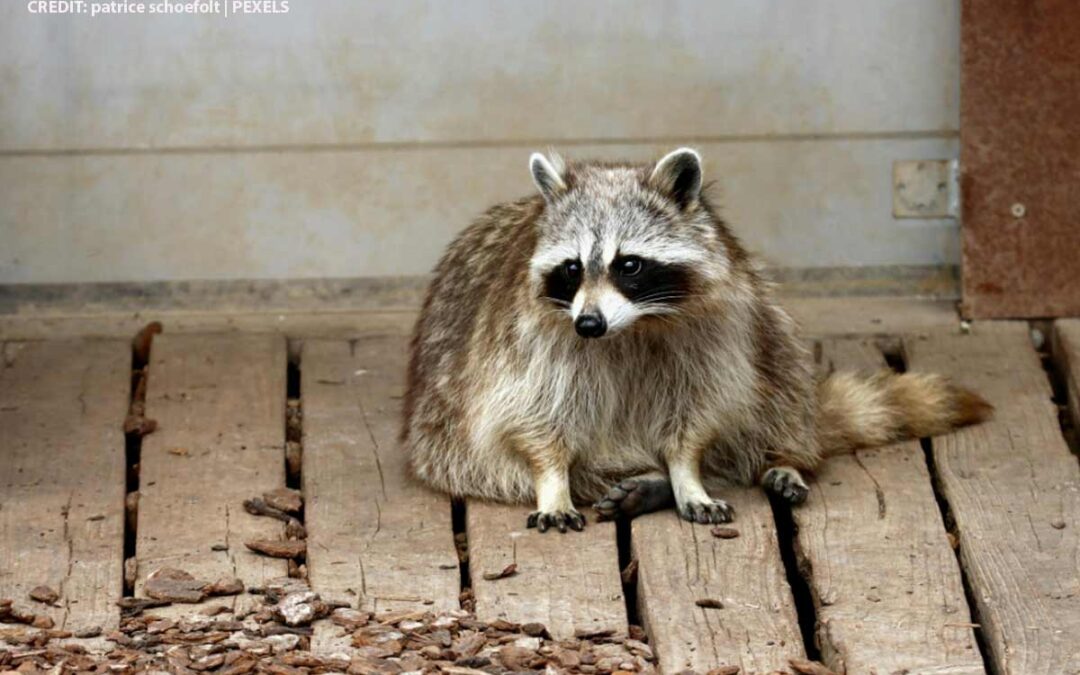
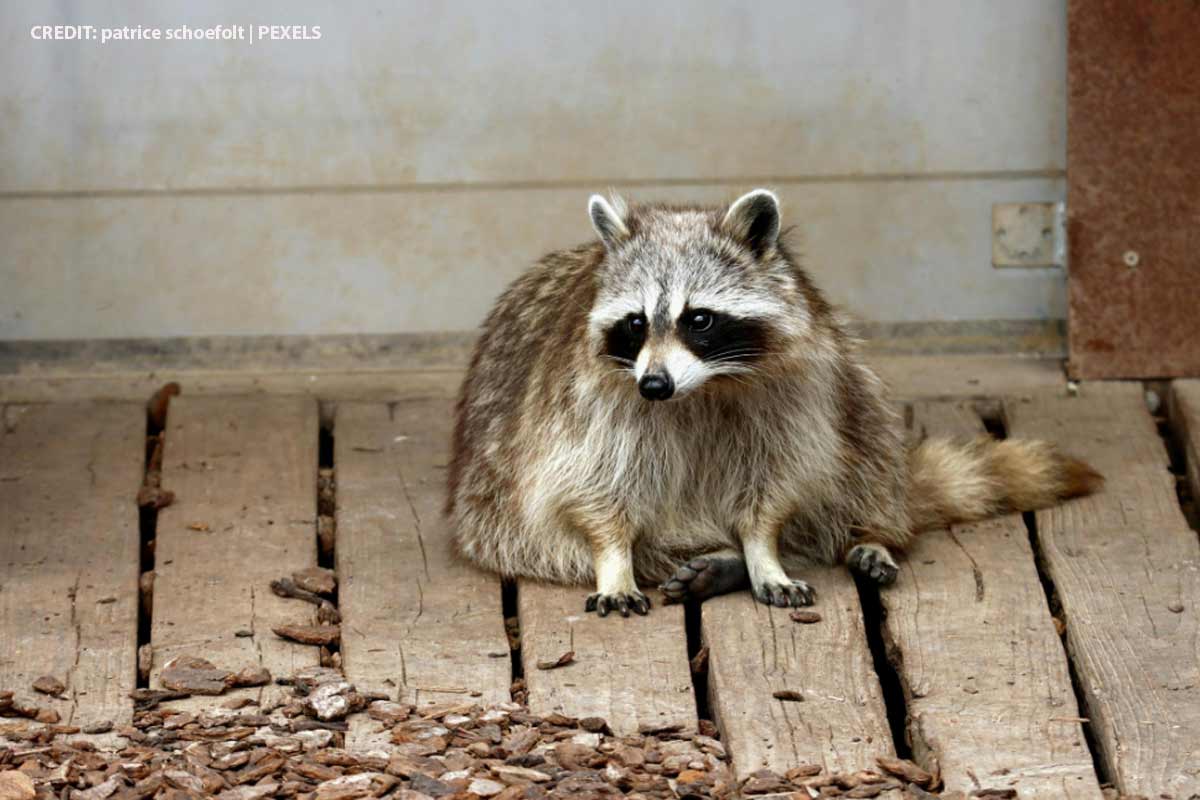
If mice are the subtle violators of your peace, raccoons are the heavy-footed burglars. Raccoons are large animals, ranging from 10 to 30 pounds, and they sound exactly like their size suggests.
- The sound: You will hear heavy walking, thumping, and sometimes dragging sounds. If it sounds like a human is walking around in your attic, it is likely a raccoon. They are also vocal animals; you may hear chittering, growling, or snarls if there is more than one.
- The timing: Raccoons are strictly nocturnal. If the noise wakes you up in the dead of night, you are likely dealing with a “trash panda.”
- The danger: This heavy activity often necessitates professional wildlife control in Midland, ON to safely remove the animal, as raccoons can be aggressive when cornered and can cause massive structural damage to HVAC systems and insulation.
3. The Frenzied Gallop: Squirrels
Squirrels are high-energy creatures, and their movements reflect that.
- The sound: Squirrels produce fast, erratic scurrying noises. Unlike the slow, heavy thud of a raccoon, a squirrel sounds like a frantic race. You may also hear the sound of nuts being rolled across the drywall or scratching that is significantly louder and more forceful than a mouse.
- The timing: This is the key differentiator. Eastern Gray Squirrels are diurnal, meaning they are active during the day. If you hear noises in the early morning or just before dusk, it is likely a squirrel. Note: Flying squirrels are nocturnal, so if the sound fits the description but happens at night, do not rule them out.
- The location: Squirrels prefer the attic but will travel down wall voids.
4. The Paper Rustle: Carpenter Ants or Wasps
It is a common misconception that insects go silent in the winter. While many die off, queens and colonies can overwinter in the warmth of your walls.
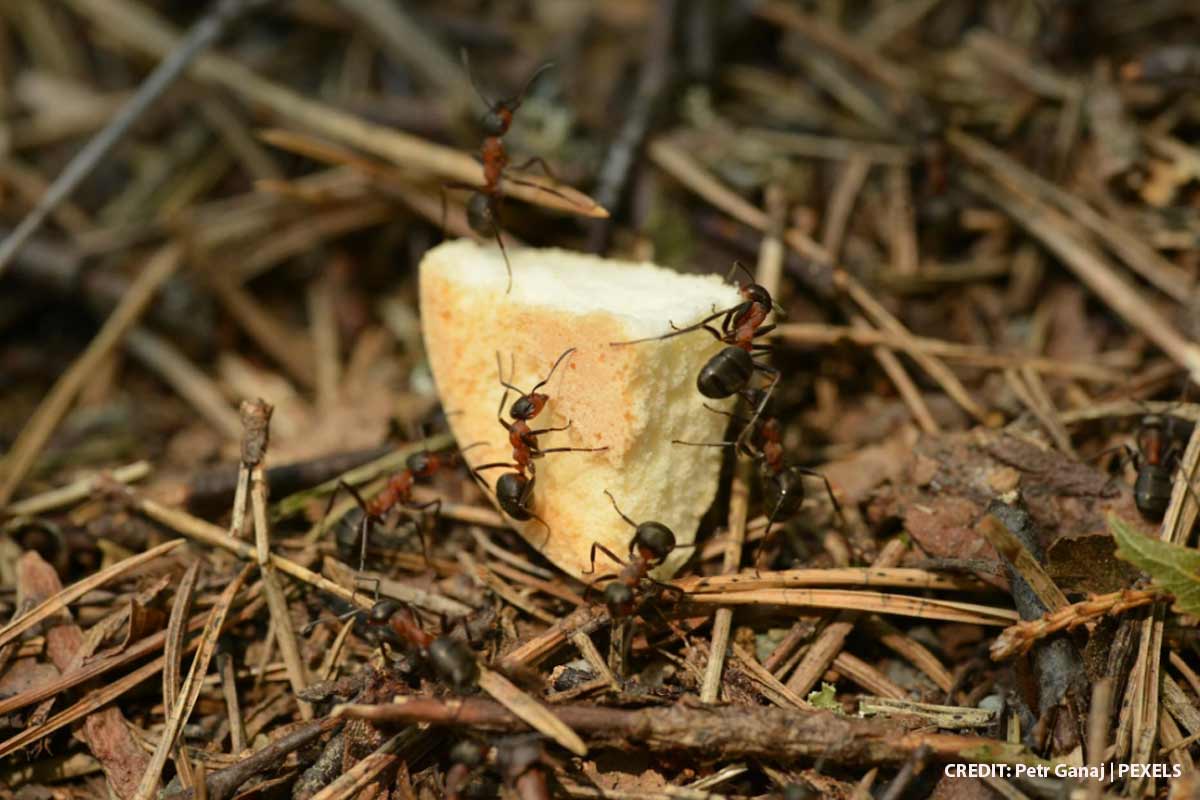
- The sound: A large infestation of carpenter ants can actually be heard. It sounds like a soft rustling, similar to crinkling cellophane. This noise is actually the ants communicating and moving within the colony.
- The buzz: Sometimes, a dormant wasp nest in a wall void can be reactivated by the heat of the house. A low, dull humming or buzzing sound coming from a specific spot on the wall indicates a stinging insect issue.
5. The Flap and Squeak: Bats
Bats often hibernate in attics during the winter. However, sudden temperature shifts can wake them.
- The sound: You may hear a high-pitched squeaking (chirping) or a scratching sound similar to mice. However, if the animal becomes trapped in a wall void, you might hear a distinct “fluttering” sound as it tries to fly in the tight space.
The Risks of Ignoring the Noise
It is tempting to ignore a faint scratching sound, hoping the creature will leave on its own when spring arrives. Unfortunately, this rarely happens. Winter pests are not just a nuisance; they are a threat to your property and safety.
The Fire Hazard
Rodents have teeth that never stop growing. To keep them filed down, they must gnaw constantly. Your electrical wiring provides the perfect texture for this. A significant percentage of “undetermined” house fires are attributed to rodents chewing through wire insulation, causing short circuits inside combustible walls.
Structural Integrity
Raccoons and squirrels can rip up insulation, reducing your home’s energy efficiency. They also soil these areas with urine and feces, which can soak into drywall and ceilings, leading to severe odour issues and mould growth.
Health Risks
Pests are vectors for disease. Deer mice can carry Hantavirus, while raccoon droppings can contain dangerous roundworm eggs. As these pests move through your home, they leave trails of bacteria on surfaces you cannot see or reach to clean.
Why DIY Removal Often Fails
When homeowners hear these noises, the first instinct is often to buy a trap or poison. However, DIY methods in the winter can be counterproductive.
If you seal an entry point without ensuring the animal is out, you trap them inside. A trapped wild animal will go crazy trying to escape, chewing through drywall and causing immense damage. Furthermore, if you use poison, the animal is likely to retreat deep into a wall void to die. The resulting odour can linger for months and is often impossible to remove without cutting into the wall.
Proper identification leads to the correct solution. Regardless of the specific invader, relying on our pest control services in Orillia ensures that the animal is identified correctly, removed humanely, and that the entry points are sealed professionally to prevent future “silent nights” from becoming noisy nightmares.
Reclaim Your Quiet Home
Your home should be a sanctuary, especially during the long winter months. You shouldn’t have to sleep with one ear open, wondering what is moving behind your headboard.
If the sounds in your walls are keeping you up at night, don’t wait for the damage to become visible. Let the professionals handle the cold, dark corners of your attic so you can stay warm and safe.
Contact Mr. Pest Control today at (705) 739-7378.