
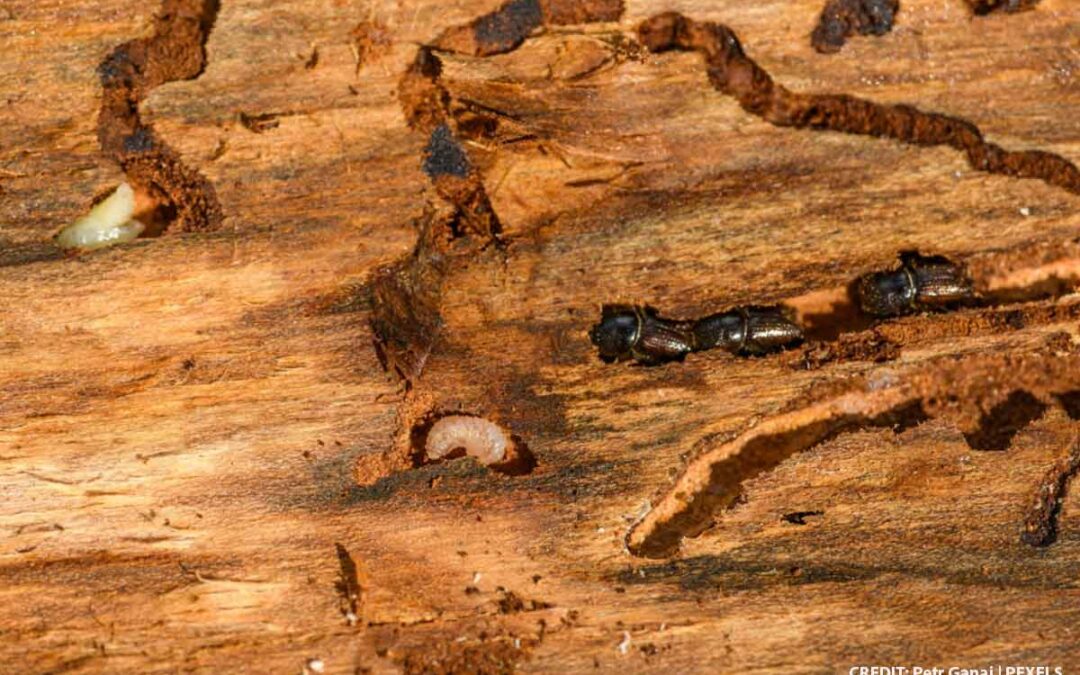
Seeing winged insects inside your home in the dead of winter is not just a nuisance; it is a blaring alarm bell. If you witness a termite swarm during the cold months, it does not mean nature is confused. It means you likely have a mature, active infestation thriving within the warmth of your walls.
The Myth of Winter Dormancy
To understand why winter termites are such a threat, one must understand their relationship with temperature. Subterranean termites are cold-blooded. In the wild, when the ground freezes, they respond by digging deeper into the soil, moving below the frost line to survive. Their activity levels drop, and they wait for the warmth of spring to return to the surface.
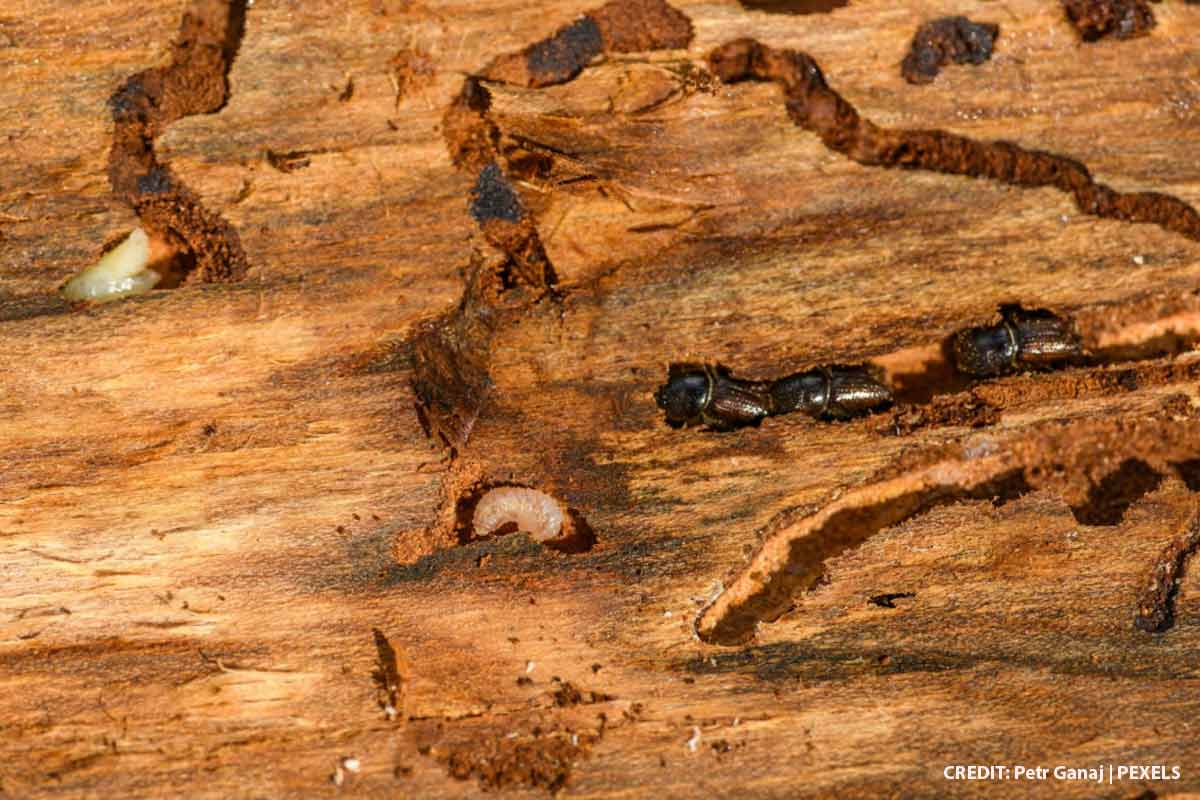
However, a heated home changes the rules of engagement entirely. Your house acts as a massive, artificial radiator. The heat that escapes through your basement walls, crawl spaces, and foundation warms the surrounding soil.
For a termite colony, this creates a perpetual summer. If they have managed to breach your foundation and establish a connection between the soil and the wooden structure of your home, they are insulated from the freezing temperatures outside.
Consequently, they do not hibernate. Instead, they continue to feed on your structural timber 24 hours a day, seven days a week, regardless of the blizzard outside.
Decoding the Winter Swarm
The most visible sign of termites is the “swarm.” Swarming is the reproductive stage of the termite life cycle. Winged termites, known as alates, leave the colony to find mates and establish new colonies. In a natural, outdoor environment, this typically happens in the spring, triggered by rising temperatures and rainfall.
So, what does it mean if you see a swarm in December, January, or February?
It indicates that the colony is not only active but is located in a heated, controlled environment—likely the interior of your home. A winter swarm is rarely an outdoor occurrence that found its way in. It is almost exclusively an indoor emergence.
Furthermore, termite colonies usually do not produce swarmers until they are mature, which typically takes three to five years. Therefore, seeing winged termites in the winter suggests that a colony has been silently eating away at your property for years, largely undetected.
Signs You Shouldn’t Ignore
While the swarm is the most obvious sign, homeowners should be vigilant for other indicators during the winter months. Because we spend more time indoors during the cold season, you might have the opportunity to spot subtle changes in your home environment:
- Mud tubes: These pencil-sized tunnels connect the soil to the wood. They shield termites from dry air and predators. Check your foundation and basement walls.
- Hollow wood: Tap on baseboards or window frames. If it sounds hollow or papery, termites may have eaten the interior wood, leaving only the paint or a thin layer of timber.
- Discarded wings: After swarming, alates shed their wings. You might find piles of wings on window sills or near light fixtures, as the insects are attracted to light.
Differentiating Termites from Flying Ants
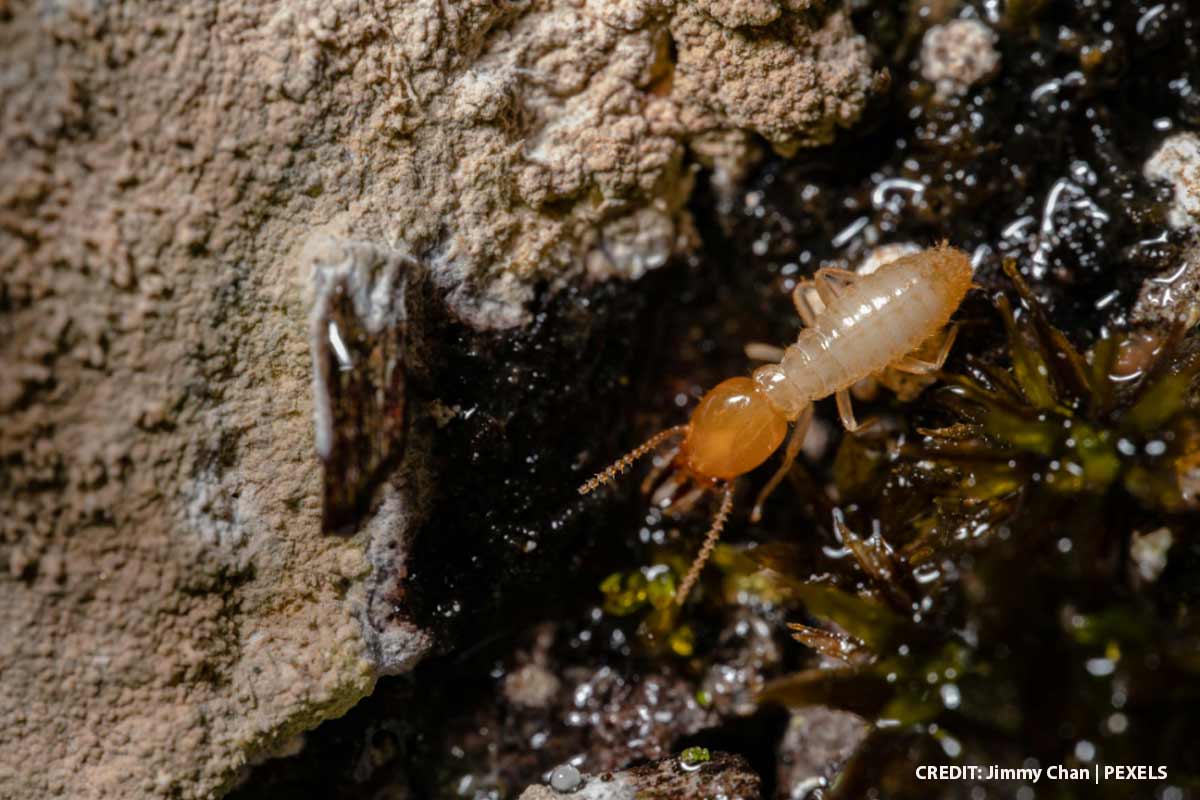
Panic often leads to misidentification. It is common to confuse flying ants with termites. However, the distinction is crucial for treatment. Termites have straight antennae, a broad waist (no “pinched” waist), and wings that are equal in length. Flying ants have elbowed antennae, a clearly pinched waist, and front wings that are longer than their back wings.
Whether it is a carpenter ant issue or a termite infestation, professional identification is the safest route. Residents in Simcoe County need to act fast when these signs appear.
If you are unsure what you are looking at, our pest control in Barrie can provide the expertise needed to identify the species and the extent of the intrusion.
Why Professional Inspection Is Non-Negotiable
Attempting to treat a winter termite infestation with DIY methods is rarely successful. Store-bought sprays might kill the few swarmers you see, but they do nothing to address the thousands of workers destroying the structural integrity of your home from the inside. The colony is often deep underground or entrenched in areas you cannot reach without specialized equipment.
Furthermore, a comprehensive approach is required. Issues with pests often overlap with other entry points in the home. For example, while checking for termite entry points, professionals often identify vulnerabilities that could allow larger animals to enter.
If you require wildlife control in Midland, ON, our professional inspection can help secure your home against everything from tiny insects to raccoons seeking winter shelter.
Comprehensive structural defence means checking every corner. Our pest control services in Orillia are designed to trace the infestation to its source, using baiting systems and treatments that eliminate the entire colony rather than just the visible symptoms.
If you spot winged insects or suspect termite activity this winter, contact Mr. Pest Control today at (705) 739-7378. We are ready to help you reclaim your home.