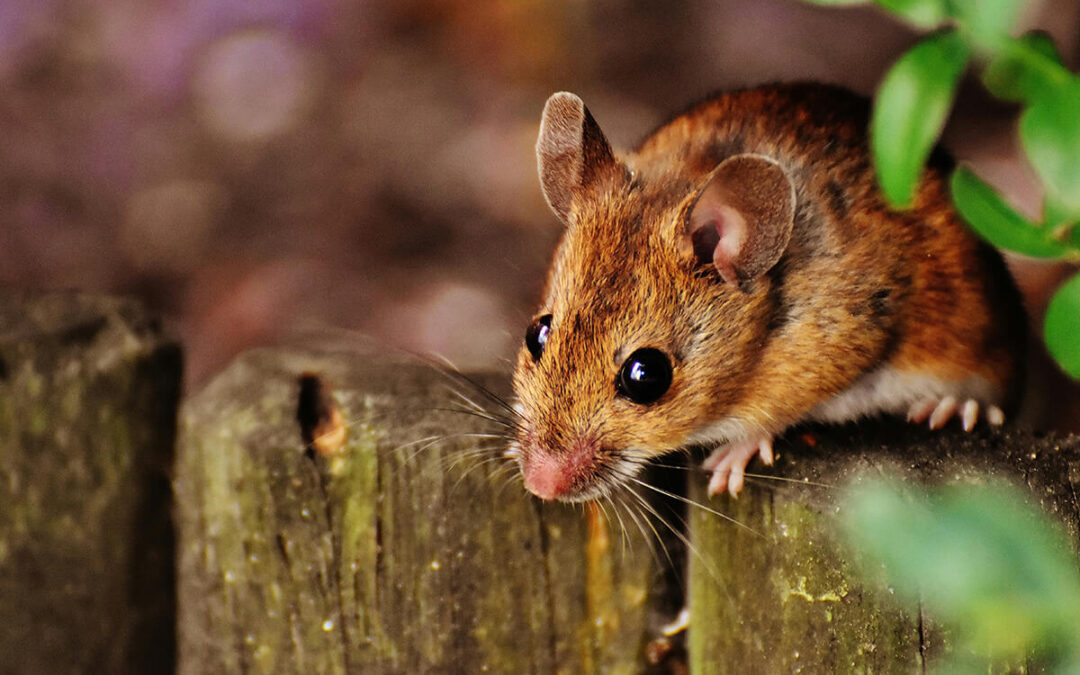
Winter pest infestations are a nuisance, for sure, but they can also cause significant structural damage, create fire hazards by chewing through electrical wiring, and introduce health risks through droppings and parasites.
The key to keeping your home pest-free during the colder months isn’t merely setting traps after the fact – it is proactive exclusion. This means identifying the vulnerabilities in your home’s exterior defence and sealing them tight.
To help you fortify your home, we have identified the top five entry points for winter pests and detailed exactly how you can seal them to ensure you remain the only resident in your house this season.
1. Rooflines, Soffits, and Fascia
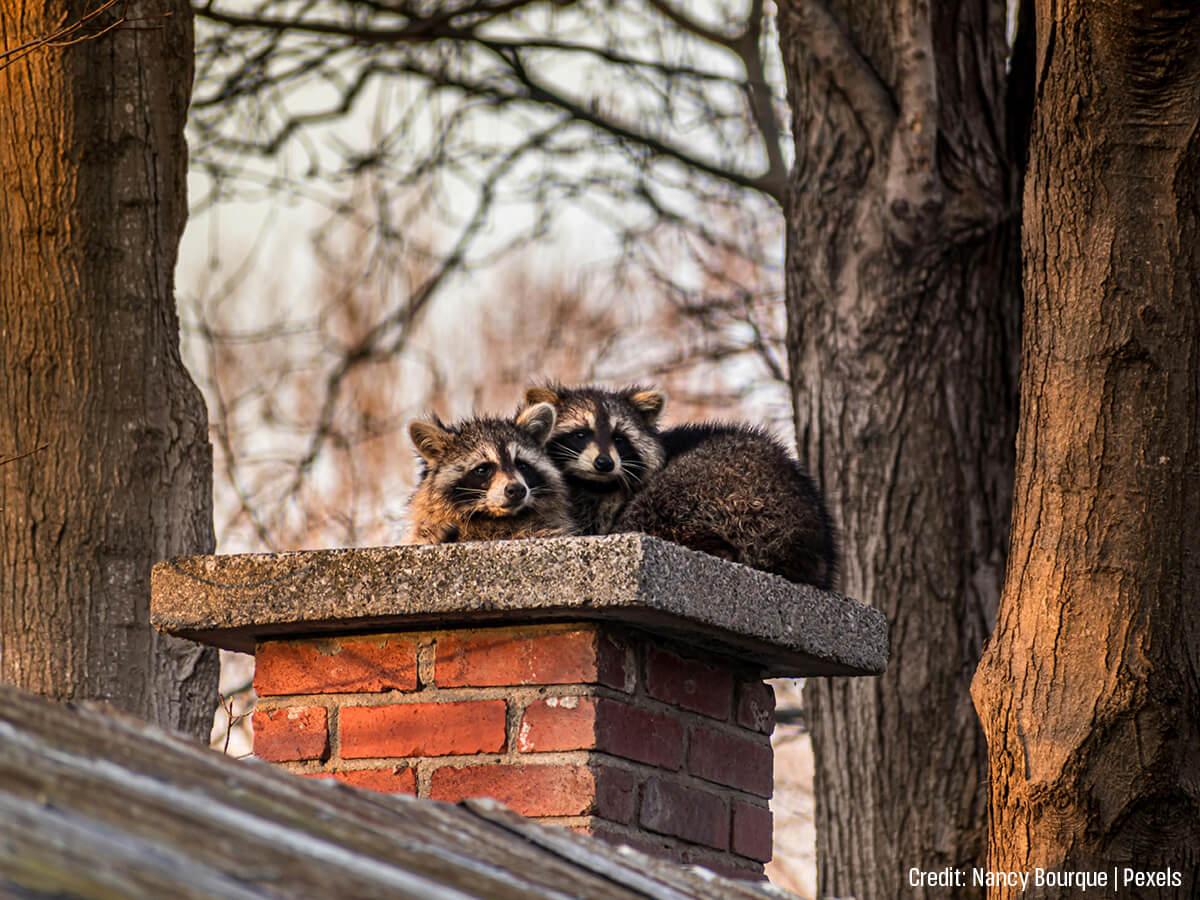
When we think of pests entering the home, we often look down at the ground. However, some of the most destructive winter invaders – specifically squirrels, raccoons, and bats – are excellent climbers. Your roofline is essentially a highway for these animals, and they are experts at finding the weak spots in your architecture.
The Vulnerability
Soffits (the exposed underside of your roof’s overhang) and fascia (the board running along the roofline) are constantly exposed to water and ice. Over time, wood can rot or warp, creating gaps that are easy to pry open.
Raccoons, in particular, are incredibly strong and dexterous; if they find a loose piece of soffit or a rotted fascia board, they can rip it away to gain access to the attic. Once inside the attic, the insulation provides a perfect nesting ground.
How to Seal It
- Inspect regularly: walk around the perimeter of your home with binoculars. Look for discoloration (indicating water damage and rot), loose panels, or visible holes.
- Repair rotted wood: You cannot simply patch over rotted wood. It must be replaced to ensure structural integrity.
- Install drip edges: A metal drip edge helps guide water away from the fascia, preventing rot in the first place.
- Use hardware cloth: For vents or areas that need airflow but must be sealed against pests, use 1/4 inch galvanized hardware cloth. Do not use standard window screening or plastic mesh, as raccoons and squirrels can chew through these materials in seconds.
If you suspect larger animals have already made a home in your attic, sealing the hole immediately can be dangerous, as you may trap them inside. In these cases, it is vital to contact professionals, like the team at Mr Pest Control, who specialize in wildlife control in Midland, ON and surrounding areas, to remove the animals humanely before the entry point is permanently sealed.
2. Windows and Doors
It sounds obvious, but windows and doors are the most common entry points for smaller pests like spiders, ladybugs, stink bugs, and mice. Over time, the house settles, and weatherstripping wears down, creating gaps that might look insignificant to you but look like a wide-open gate to a mouse.
The Vulnerability
Mice are anatomically capable of squeezing their bodies through incredibly small spaces. If a hole is the size of a dime (or a crack large enough to fit a pencil), a mouse can get through it. Gaps often form where window frames meet the siding or under doors where the sweep has degraded.
How to Seal It
- The light test: Wait until evening, turn on the lights inside a room, and have someone stand outside. If they can see light bleeding through the edges of the door or window, you have a gap large enough for insects and cold air to enter.
- Weatherstripping: Replace old, cracked, or compressed weatherstripping around all exterior doors.
- Door sweeps: Install heavy-duty door sweeps on all exterior doors. Ideally, choose a sweep with a rubber seal rather than just a brush, as the rubber provides a better barrier against both drafts and pests.
- Caulking: Use a high-quality exterior silicone caulk to seal gaps around window frames and door casings. This not only keeps bugs out but also improves your home’s energy efficiency.
- Screen repair: Winter is a great time to repair torn window screens so they are ready for spring, but they also act as a secondary barrier against winter insects trying to hibernate in your window tracks.
3. Foundation Cracks and Utility Penetrations
Your home is a network of pipes, wires, and cables. Wherever a utility line enters your home – whether it is for gas, water, electricity, air conditioning, or cable TV – there is a hole in your foundation or siding. Builders rarely seal these holes perfectly tight against pests.
The Vulnerability
These utility penetrations are often located close to the ground, making them easily accessible for rodents. As the weather freezes and thaws, concrete foundations can develop minor hairline cracks.
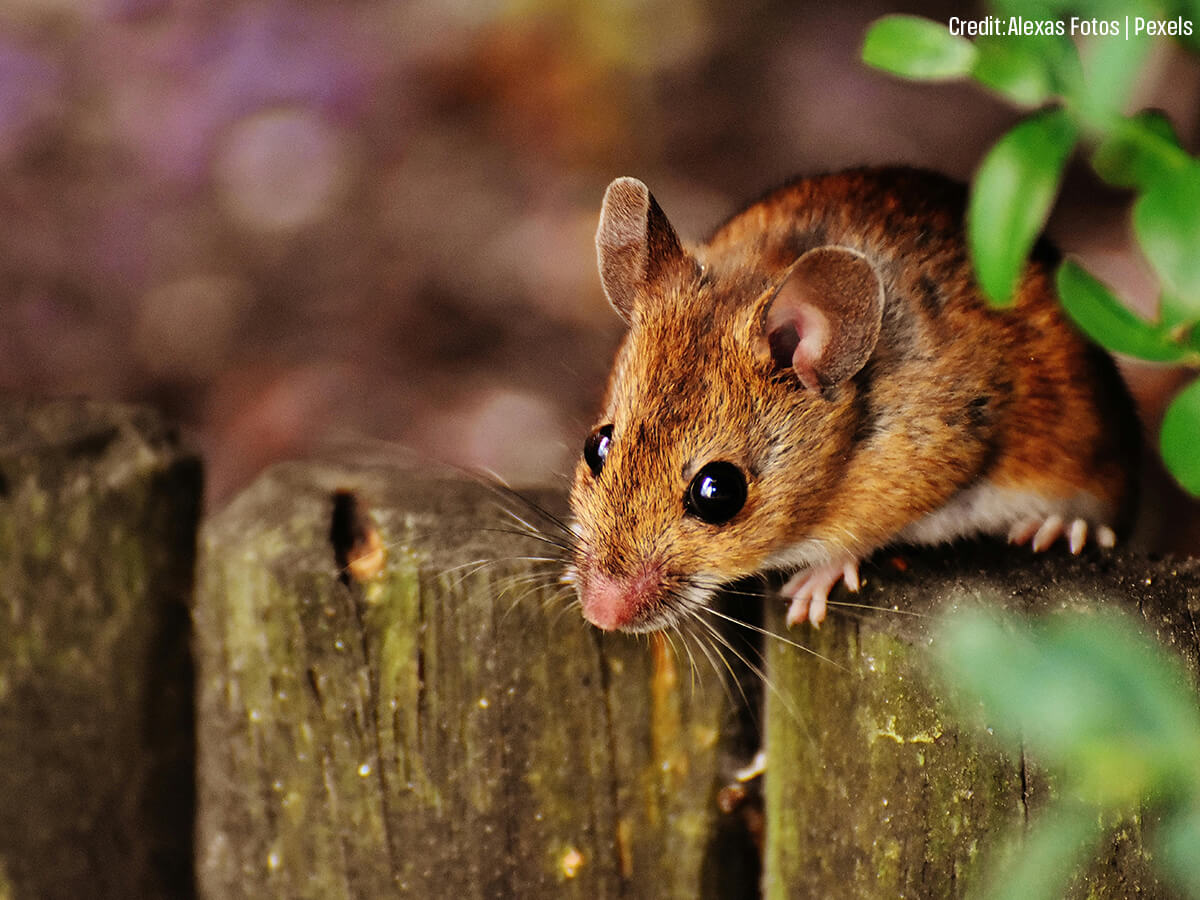
While a small crack might not threaten the structure of the house, mice will gnaw at the edges of a concrete crack to widen it until they can squeeze through.
How to Seal It
- Steel wool and caulk: This is the gold standard for DIY pest exclusion. Rodents can chew through spray foam, wood, and even plastic. They cannot, however, chew through steel wool. Stuff the gap around pipes with fine-grade steel wool, and then seal over it with caulking to hold it in place and prevent rust.
- Expansion foam (with caution): Expanding spray foam is great for insulation, but on its own, it is not a pest barrier. If you use foam, it must be infused with a bittering agent or reinforced with copper mesh.
- Concrete patching: For cracks in the foundation, use a hydraulic cement patch. This material expands as it dries, locking into the concrete and sealing the breach.
Identifying these low-level entry points can be difficult, especially if you have landscaping or snow covering the foundation. If you are unsure where to look, our pest control in Barrie includes thorough inspections to identify these often-overlooked structural vulnerabilities.
4. Chimneys and Roof Vents
A chimney is essentially a large, open tunnel leading directly into the heart of your home. While we enjoy the warmth of a fireplace, animals enjoy the warmth of the chimney flue.
The Vulnerability
Uncapped chimneys are an open invitation for birds, bats, squirrels, and raccoons. Raccoons, in particular, view chimneys as hollow trees—perfect for a winter den. Additionally, plumbing mats (the pipes sticking out of your roof) and dryer vents often lack proper screening.
How to Seal It
- Chimney caps: The single most effective way to protect your chimney is to install a professional-grade chimney cap. This steel hood covers the opening while allowing smoke to escape. It also prevents rain and snow from entering the flue, which protects the masonry.
- Mesh covers for vents: Install protective cages over roof vents. However, be very careful with dryer vents. You cannot use fine mesh over a dryer vent because it will trap lint, creating a severe fire hazard. You must use a vent guard specifically designed for dryers that allows lint to escape while preventing animals from entering.
- Damper inspection: Ensure your fireplace damper closes tightly when not in use. This provides a secondary layer of defence if an animal makes it past the cap.
5. The Attached Garage
For many homeowners, the garage is the weak link in the security chain. We tend to think of the garage as “outside,” so we tolerate gaps and cracks that we wouldn’t accept in the living room. However, once a pest is in your attached garage, they are only one wall away from your kitchen.
The Vulnerability
Garage doors are massive and moving; consequently, they rarely form a perfect seal. The rubber gasket at the bottom of the door is often the first thing to be chewed by rats or mice. Furthermore, garages are often cluttered with boxes and storage, providing ample hiding spots where pests can live undetected while they work on breaching the wall into the main house.
How to Seal It
- Bottom seal replacement: Inspect the rubber seal on the bottom of your garage door. If it is brittle, cracked, or has bite marks, replace it immediately.
- Vinyl weatherstripping: Install vinyl weatherstripping stops around the sides and top of the garage door frame.
- Seal the connecting wall: The wall shared between the garage and the house should be treated like an exterior wall. Seal all holes around pipes or wires entering the house from the garage.
- Declutter: Keep storage boxes off the floor using shelving units. Plastic bins are superior to cardboard boxes, which mice can easily chew through to make nests.
Keeping a garage pest-proof is a distinct challenge because the large door is opened frequently. If you are finding it difficult to keep rodents out of this space, our pest control services in Orillia can provide specialized baiting and exclusion strategies tailored for high-traffic areas like garages.
When to Call the Professionals
While DIY sealing is excellent for prevention, it has limitations.
If you seal a hole while a family of raccoons is sleeping in your attic, you will create a desperate situation where the animals may cause massive damage trying to escape, or die inside your walls, leading to odor and sanitation issues.
Furthermore, some entry points are located in dangerous areas, such as high roof peaks or near electrical mains. Professional pest control technicians have the safety equipment, ladders, and training to reach these areas safely.
Professionals also have a trained eye. A homeowner might see a loose brick, but a professional sees the grease marks (sebum) left by the fur of rats squeezing through a gap nearby. They can identify the species based on droppings, chew patterns, and sounds, allowing for a targeted removal strategy before the exclusion work begins.
Need help securing your home this winter?
Don’t let pests settle in for the season. Contact Mr. Pest Control today for a comprehensive inspection and professional removal services.
Call us at (705) 739-7378.