
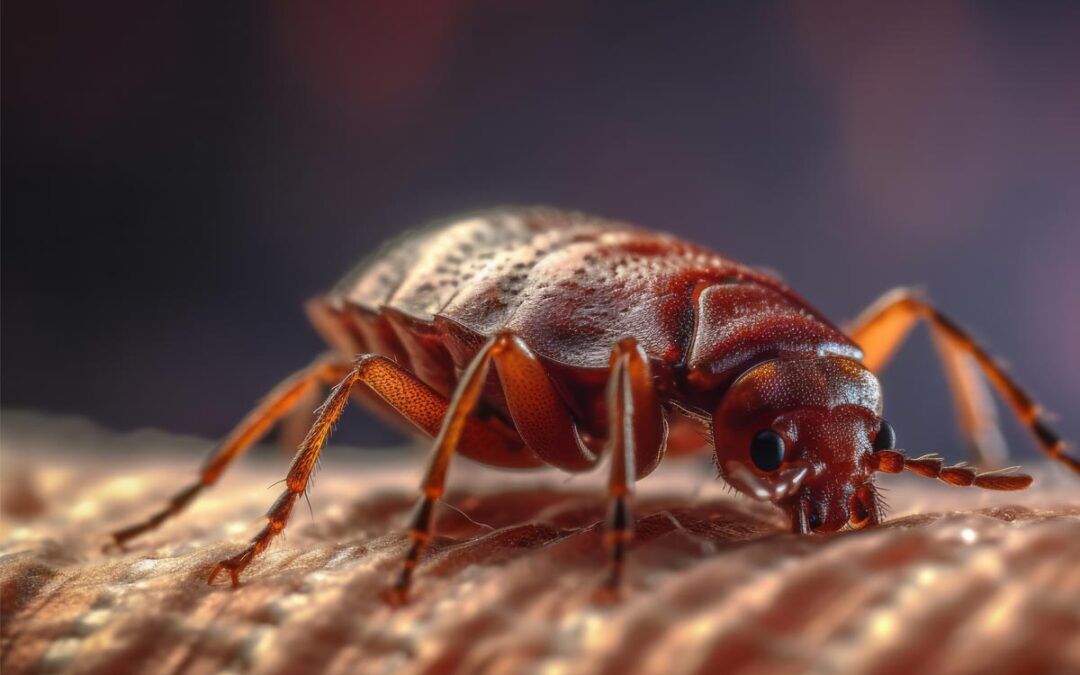
Bed bugs are small, blood-feeding pests that can quickly infest homes if conditions are favourable. Their ability to reproduce rapidly makes early detection crucial, as infestations can escalate before homeowners even notice. Understanding the factors that allow bed bugs to multiply faster can help prevent severe infestations and protect your living environment from long-term problems.
Ideal Environmental Conditions for Bed Bug Reproduction
Bed bugs thrive in environments that provide warmth, moisture, and protection. These factors directly influence their survival and reproduction, making some homes more prone to rapid infestations than others. By identifying and controlling these conditions, homeowners can reduce the chances of bed bugs multiplying quickly.
- Temperature
Bed bugs reproduce faster in warmer environments. Temperatures between 21–30°C (70–86°F) shorten their life cycle from egg to adult, allowing populations to grow more quickly. Cooler conditions slow their development, reducing the rate at which eggs hatch and nymphs mature. Seasonal changes and indoor heating can also affect reproduction, with heated rooms often supporting faster population growth.
- Humidity
Moderate to high humidity supports bed bug activity and movement. Levels around 70% or higher encourage feeding, which in turn increases egg-laying frequency. Conversely, dry conditions may limit activity and slow multiplication. Controlling indoor humidity can therefore make the environment less favourable for bed bugs.
- Shelter and Hiding Spots
Bed bugs require secure hiding spots to lay eggs and complete their life cycle. Cluttered areas, mattress seams, furniture crevices, and behind baseboards provide ideal shelter. Homes with fewer hiding places limit egg-laying locations, which slows population growth. Regularly inspecting and reducing clutter in common hiding areas can disrupt their reproduction significantly.
Host Availability and Feeding Frequency
Bed bugs rely on blood meals to reproduce efficiently. The availability and frequency of feeding opportunities directly influence how quickly colonies grow. Homes with accessible hosts tend to see faster population expansion.
- Proximity to Hosts
Bed bugs reproduce faster when humans or pets sleep nearby. Easy access to hosts allows females to feed consistently, enabling more frequent egg-laying. In homes where hosts are not consistently present, reproduction slows, as females require blood to support egg development.
- Feeding Frequency
Females can lay up to five eggs per day after each blood meal. Frequent feeding ensures that nymphs develop quickly, contributing to rapid colony growth. Infrequent feeding reduces reproductive output, slowing population expansion. This demonstrates why infestations are often worse in spaces with regular nighttime activity.
- Multiple Hosts
Homes with multiple residents provide more feeding opportunities. Shared rooms, dormitories, or households with pets allow bed bugs to feed consistently and safely. This increases egg production and speeds up reproduction, making multi-occupant environments particularly vulnerable.
Human Activity and Movement
Bed bugs often rely on human behaviour to spread and establish new colonies. Travel, clutter, and delayed detection all contribute to faster multiplication. By understanding these patterns, homeowners can prevent infestations from escalating.
- Travel and Luggage
Frequent travel can introduce bed bugs to new locations. Luggage, clothing, and second-hand furniture often carry hidden pests. Once introduced, bed bugs can easily find new hiding spots and begin reproducing rapidly, which makes vigilance during travel essential.
- Clutter and Untidy Environments
Clutter provides numerous hiding spots for eggs and nymphs. Disorganised rooms allow bed bugs to establish colonies without interference. Clean, tidy spaces make it harder for them to reproduce and spread. Regular decluttering not only limits shelter but also makes early detection easier.
- Delayed Detection
Bed bugs multiply rapidly when infestations go unnoticed. Early signs such as bites, stains, or shed skins may be missed, allowing colonies to expand unchecked. Prompt inspection and action slow reproduction, prevent severe infestations, and reduce the stress and cost of later treatments.

Reproduction Biology and Lifecycle Factors
Bed bugs have a short life cycle and high reproductive potential. Understanding their biology helps explain why certain conditions accelerate multiplication. This knowledge allows homeowners to take precise measures to prevent rapid colony growth.
- Egg Laying Capacity
Females can lay hundreds of eggs in their lifetime, especially under optimal conditions. Warmth and easy access to hosts increase daily egg-laying rates. Rapid egg production drives quick population growth, making infestations difficult to control without intervention.
- Rapid Development
Under ideal conditions, bed bugs progress from egg to adult in as little as five weeks. Faster development means more generations in a shorter period, multiplying populations quickly. Cooler or drier environments slow this process, giving homeowners a better chance to intervene before infestations worsen.
- Nymph Survival
Nymphs require regular blood meals to mature. Environments that provide easy feeding and protection improve survival rates. Nymphs hidden in secure spots reach adulthood, contributing significantly to population growth. This makes early detection and treatment critical to limiting their numbers.
Tips to Prevent Rapid Bed Bug Multiplication
Preventing bed bugs from multiplying quickly requires reducing the conditions that favour their survival. Taking practical steps can slow reproduction and limit infestations. Homeowners can act proactively before colonies become unmanageable and costly to remove.
- Reduce Clutter
Keeping living spaces organized and clutter-free reduces hiding spots. Fewer hiding places make it harder for bed bugs to lay eggs or for nymphs to survive. Regular cleaning of bedrooms, furniture, and storage areas ensures potential breeding zones are eliminated, which also improves the effectiveness of inspections.
- Control Temperature and Humidity
Maintaining moderate indoor temperatures and lower humidity slows reproduction. Cooler, drier environments hinder egg-laying and nymph development. Use fans, dehumidifiers, or air conditioning to make the environment less hospitable. Consistently controlling indoor conditions can complement other preventive measures.
- Regular Inspections
Frequent checks of mattresses, bed frames, and furniture help detect bed bugs early. Early detection prevents colonies from growing rapidly. Include luggage and clothing after travel in your inspections to reduce the risk of introducing new pests. Early action allows for faster, more effective treatment.
- Protect Luggage During Travel
Using sealed luggage and carefully inspecting hotel rooms can prevent bed bugs from hitching a ride home. Store clothing in protective bags and avoid placing luggage directly on beds. Inspect bags and wash clothes immediately after returning to reduce the chance of spreading pests. Consistent travel precautions protect the home from new infestations.
- Professional Pest Control
Licensed pest control services can eliminate established colonies effectively. Professionals use targeted treatments to remove pests quickly. This intervention stops rapid reproduction and reduces the risk of re-infestation, giving homeowners peace of mind. Combining professional treatment with preventive steps offers the best long-term protection.
Eliminate Bed Bugs in Alliston Fast with Mr. Pest Control
Don’t let bed bugs multiply and take over your home. Mr. Pest Control offers thorough inspections and effective treatments for bed bugs in Alliston. Our pest control team identifies hiding spots, treats affected areas, and provides guidance to prevent future infestations.
Call us today at 705-739-7378, and protect your home from fast-growing bed bug colonies. Acting quickly ensures that infestations are contained before they become overwhelming.
