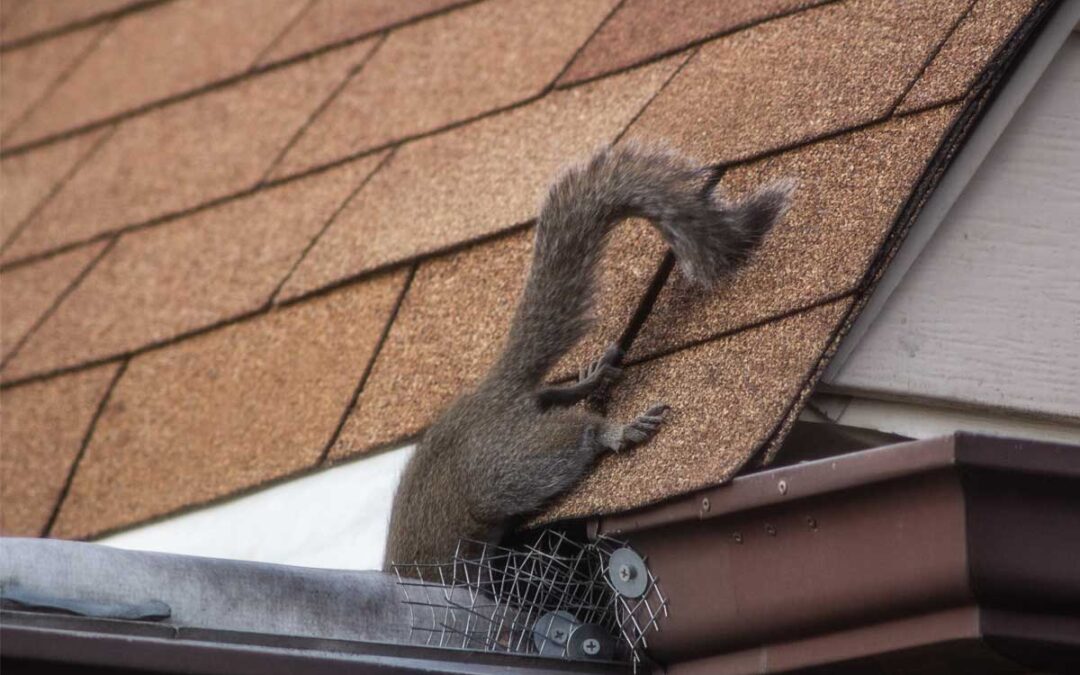
Pests don’t just appear randomly in our homes—they follow specific pathways that make infestations spread quickly. These pathways, often hidden, are what experts call “pest highways.” Understanding these zones is crucial for homeowners who want to protect their property and prevent unwanted infestations.
What Are Pest “Highways” in Your Home?
Pest highways are the routes pests use to move throughout a home. They often go unnoticed because they blend in with walls, floors, and ceilings. Identifying these pathways helps homeowners take targeted action to stop pests from spreading.
- Cracks and Gaps in Walls or Foundations
Small cracks and gaps in walls or the foundation act as perfect entry points for ants, cockroaches, and rodents. Pests exploit these tiny openings to travel undetected, often connecting the inside of a home with outdoor areas. Sealing these gaps with caulk or foam can drastically reduce their movement.
- Pipes and Plumbing Lines
Pipes and plumbing lines provide hidden corridors between rooms and floors. Cockroaches, silverfish, and other moisture-loving pests use these damp pathways to reach kitchens, bathrooms, and basements. Repairing leaks and sealing gaps around pipes can prevent pests from using them as highways.
- Vents and Ducts
Heating, ventilation, and air conditioning systems can act as long, hidden highways for pests. Ducts connect multiple areas, making it easy for pests to move from one room to another. Regular cleaning and sealing of vent openings limit access and help reduce infestations.
- Attics and Crawl Spaces
Attics and crawl spaces are dark and rarely disturbed, which makes them ideal pest corridors. They can connect to multiple rooms, providing hidden routes for rodents, spiders, and other pests. Adding insulation barriers and closing access points minimizes the risk of pests moving throughout your home.
Understanding these pathways is the first step in controlling pests effectively. When homeowners target these high-traffic areas, they can disrupt movement and reduce the chances of widespread infestations.
Kitchen and Pantry Pathways
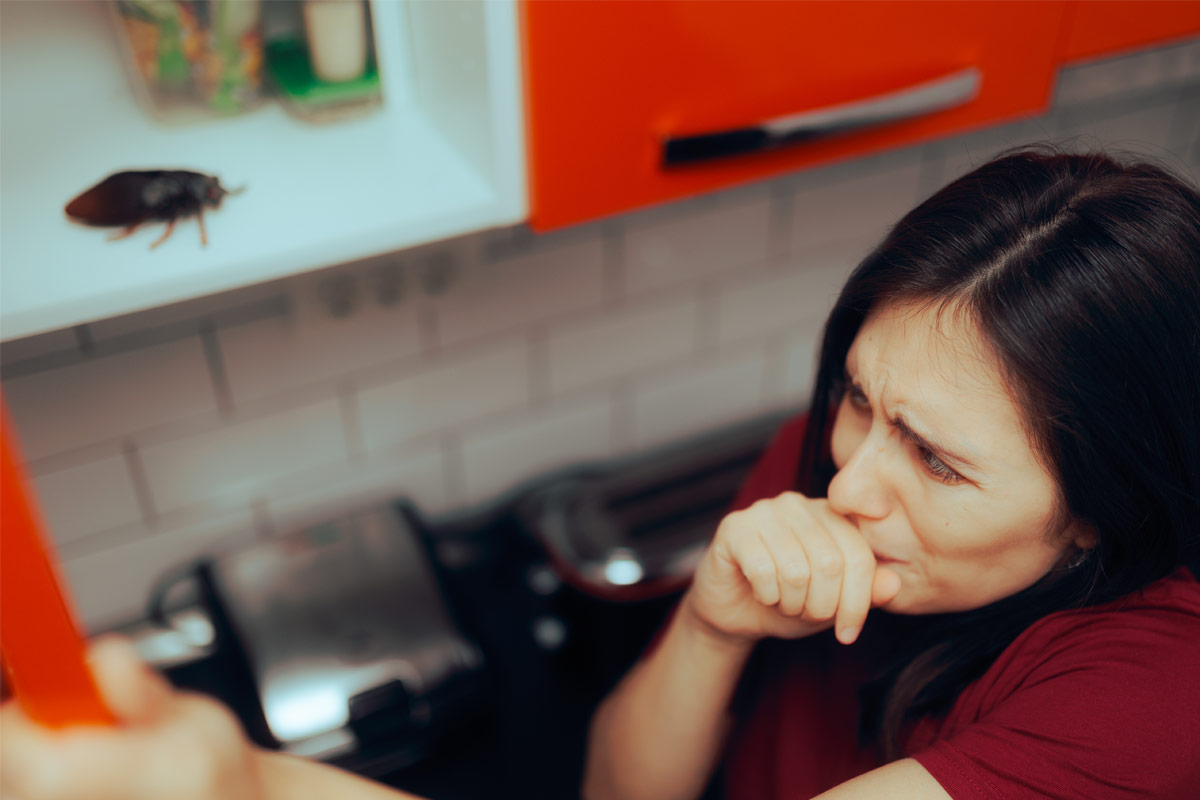
The kitchen and pantry are central to pest activity because of the constant presence of food and moisture. Crumbs, spills, and improperly stored goods create routes that pests frequently use. Identifying these zones allows homeowners to apply preventive measures where they are most needed.
- Cabinets and Drawers
Cabinets and drawers often have small cracks or gaps that pests exploit. Ants and cockroaches use these openings to hide, reproduce, and travel between areas. Regular cleaning and sealing gaps help keep pests from entering these hiding spots.
- Appliance Gaps
Spaces behind or under fridges, ovens, and dishwashers provide concealed pathways for pests. These areas are often overlooked during cleaning, allowing pests to move freely. Pulling out appliances periodically and cleaning the surrounding area can block these routes.
- Pantry Shelves
Pests are attracted to spilled food and poorly sealed containers. They move along shelves to access multiple food sources. Storing food in airtight containers and cleaning shelves regularly helps reduce pest movement.
Kitchens and pantries are high-risk areas, but proper storage, regular cleaning, and some smart pest control hacks, can limit pest highways. By sealing gaps and inspecting appliances, homeowners can protect their food and reduce infestation risks.
Entryways, Hallways, and Living Spaces
Entryways and hallways are natural corridors that pests use to move throughout the home. Doors, baseboards, and storage areas often serve as hidden pathways. Being aware of these zones allows homeowners to implement effective preventive measures.
- Door Frames and Thresholds
Small gaps under doors or around frames allow rodents and insects to enter and travel. Installing door sweeps and sealing edges prevents pests from using these areas as highways. Regular inspection ensures these barriers remain effective over time.
- Baseboards and Molding
Cracks along baseboards and molding provide concealed routes for crawling pests. Ants, cockroaches, and spiders often follow these paths along walls. Caulking and sealing baseboards can prevent pests from exploiting these hidden corridors.
- Closets and Storage Areas
Cluttered closets and storage spaces provide shelter and connected routes for pests. Rodents and insects move freely through piles of boxes or stored items. Organizing these spaces and keeping them clean reduces pathways and limits infestation potential.
Entryways and hallways are commonly overlooked, yet they play a critical role in pest movement. Targeted maintenance in these zones can stop pests before they reach living spaces.
Outdoor Zones That Feed Indoor Pest Highways
Pests often enter homes from outdoor areas that are connected to indoor pathways. Garden beds, compost bins, and drainage systems create corridors leading to doors and windows. Maintaining these zones helps prevent pests from using them as highways.
- Garden Beds and Mulch
Moist soil and dense plant cover attract pests like ants and spiders. These areas connect directly to the foundation or entry points of the home. Keeping vegetation trimmed and soil away from walls reduces access and movement.
- Trash and Compost Areas
Food waste is a major attractant for pests, which can travel from bins to kitchens. Unsealed or overflowing bins encourage frequent movement into the home. Using sealed containers and placing them away from the house helps break these pathways.
- Drainage and Gutters
Clogged gutters and poor drainage create wet, attractive areas for pests. They can travel along walls and foundations to enter the home. Regular cleaning and proper maintenance disrupt these outdoor highways.
Outdoor maintenance is as critical as indoor prevention. By addressing these zones, homeowners can stop pests from ever reaching the interior and reduce the chances of infestations spreading.
Effective Strategies to Block Pest Highways
Once pest highways are identified, homeowners need clear strategies to stop them. Prevention combines sealing entry points, maintaining cleanliness, and monitoring for activity. Consistent efforts in these areas provide long-term protection.
- Seal Entry Points
Use caulk, foam, or weatherstripping to close gaps around doors, windows, and utility penetrations. Sealing these points prevents pests from entering the home. Regular inspection ensures these barriers remain intact over time.
- Maintain Cleanliness
Remove food particles, moisture, and debris from all areas, especially kitchens, pantries, and storage spaces. A clean environment reduces attractants and discourages pests from using pathways. Cleaning under appliances and furniture removes hidden food sources and eliminates travel corridors.
- Monitor and Inspect
Regularly check for droppings, nests, or pest activity in common pathways. Early detection allows for prompt action and prevents infestations from growing. Using traps or monitoring devices in high-risk zones provides additional insight into pest movement patterns.
- Professional Pest Control
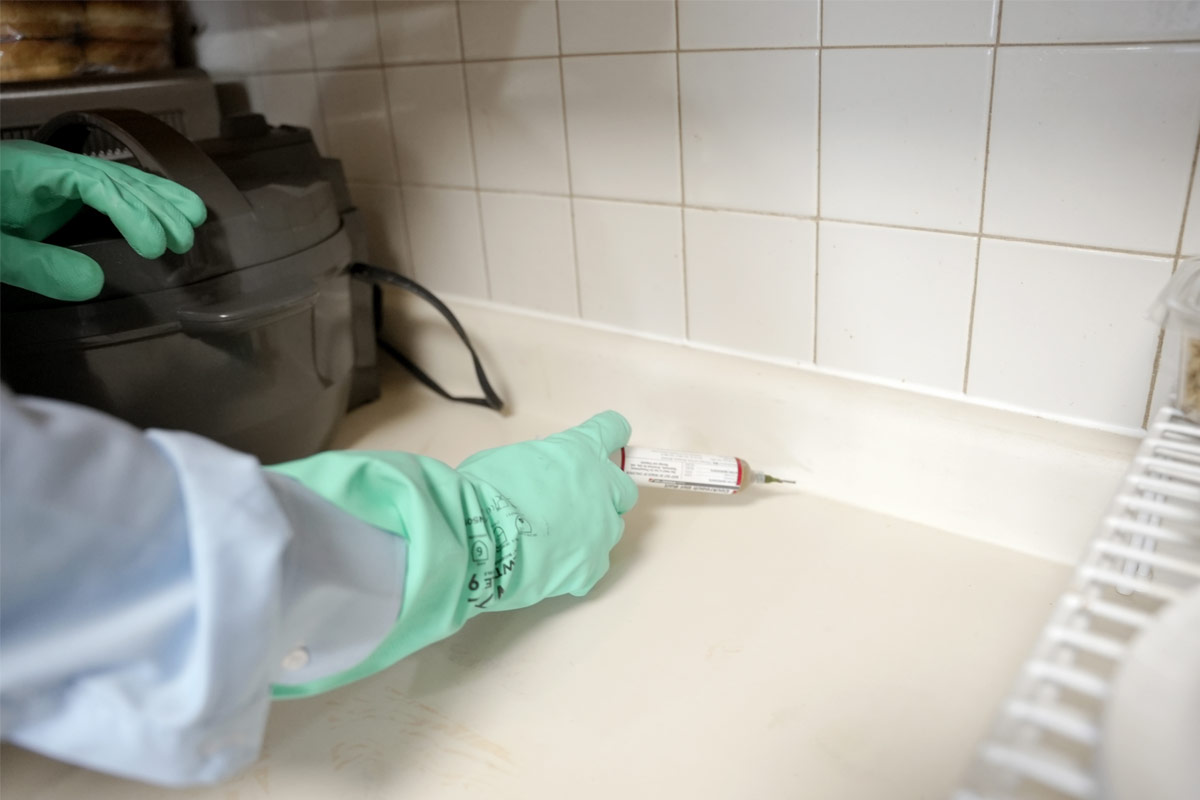
Pest control experts can identify hidden highways and apply treatments that homeowners might miss. Professional intervention ensures thorough elimination and prevents recurring issues. Combining professional services with home maintenance offers the best protection.
Protect Your Home with Mr. Pest Control
Pest highways can turn small problems into major infestations if left unchecked. Mr. Pest Control offers expert solutions to identify and block these pathways. With professional pest control in Collingwood, you can protect your home, family, and property. Call us at 1-888-794-PEST(7378) to schedule an inspection today and secure your home against unwanted pests and stop infestations before they start.