Many homeowners are surprised when pests appear in their clean and well-maintained homes. The issue often lies not in obvious messes, but in everyday items that quietly attract insects and rodents. Understanding these overlooked triggers helps reduce pest activity before it turns into a larger problem.
Why Pests Are Drawn to Everyday Household Items
Pests are not randomly entering homes; they are responding to conditions that meet their basic survival needs. Many common household items unintentionally provide those conditions, even in homes that appear clean and organized.
Food-Related Items Homeowners Often Overlook
Food sources are one of the strongest attractants for pests inside a home. Many of them are left out daily without much thought.
- Pet Food Bowls and Storage Containers
Pet food bowls often contain leftover crumbs that sit out for hours, allowing bacteria to grow. Ants and rodents are quick to locate these feeding spots and treat them as a reliable source of food. Poorly sealed storage containers exacerbate the issue by allowing odors to escape. Over time, pests become accustomed to the feeding schedule and return regularly.
- Fruit Bowls and Countertop Produce
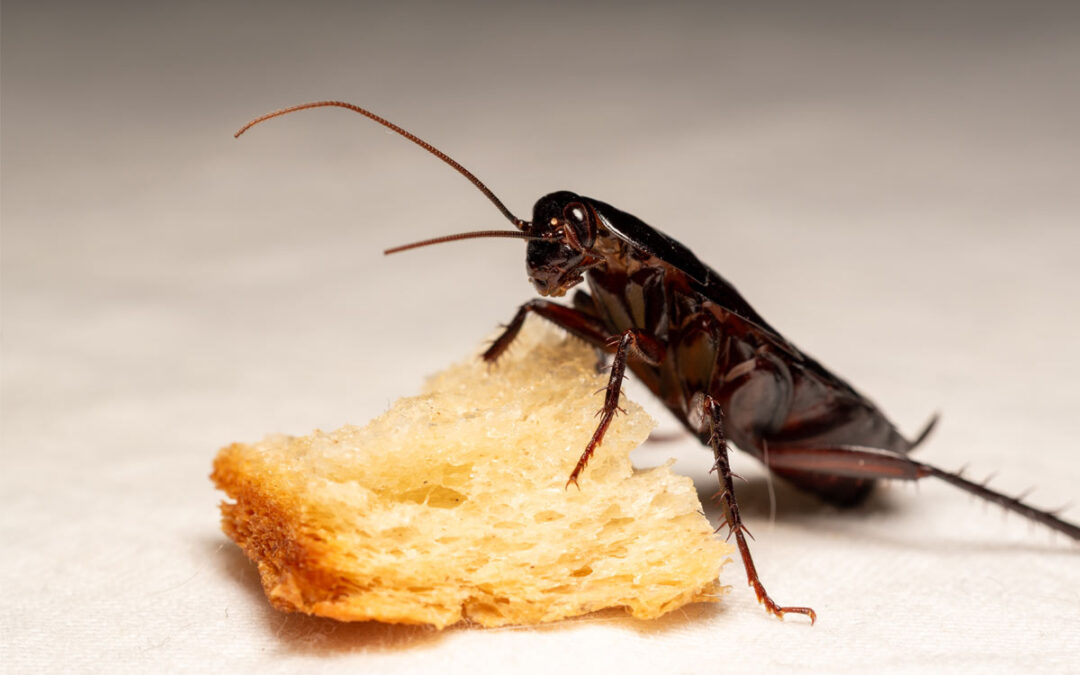
Ripening fruit releases sugars and odours that attract flies and cockroaches. Even fruit that looks fine on the outside can draw pests once it softens. Leaving produce out overnight increases the risk of spoilage. Storing fruit in the fridge or sealed containers limits exposure.
- Pantry Spills and Open Packaging
Small spills inside cupboards often go unnoticed. Flour dust, sugar grains, and cereal crumbs easily feed pantry pests and ants. Open or loosely folded packaging gives pests easy access. Once inside, they can spread quickly to other stored foods.
- Recyclables and Empty Food Containers
Empty containers often hold residue from sauces, drinks, and oils. Rinsing lightly may not remove all food traces, especially around lids and rims. These smells attract ants and flies long before garbage day. Proper washing and sealed recycling bins help reduce this risk.
Moisture-Holding Items That Create Pest-Friendly Conditions
Water sources are just as appealing to pests as food. Many moisture issues are subtle and easily overlooked.
- Sponges, Dishcloths, and Mop Heads
Damp cleaning tools hold moisture and food particles at the same time. Cockroaches and flies often hide nearby during the day. Leaving sponges in sinks overnight can extend the drying time. Regular replacement and proper drying reduce attraction.
- Leaky Cleaning Buckets and Under-Sink Storage
Small leaks under sinks often go unnoticed for weeks. Pests thrive in these dark, damp spaces with little disturbance. Cleaning products stored nearby provide shelter. Fixing leaks early prevents pests from settling in.
- Humidifiers and Indoor Water Trays
Standing water in humidifiers or plant trays can become a breeding ground for insects. Delays in cleaning lead to an increase in bacteria and organic buildup. These conditions are particularly attractive to gnats and flies. Regularly emptying and cleaning limits pest activity.
Hidden Clutter That Becomes Pest Shelter
Clutter creates shelter by giving pests dark, protected spaces where they can hide and nest without being disturbed. These areas often remain untouched for long periods, allowing pests to settle in, reproduce, and spread before they are noticed. Over time, the lack of movement and cleaning makes cluttered spaces ideal for long-term infestations.
- Cardboard Boxes in Storage Areas
Cardboard absorbs moisture and provides warmth. Insects can feed on the glue, while rodents use it for nesting. Basements and garages increase the problem due to lower activity levels. Plastic storage bins are a safer alternative.
- Old Newspapers, Magazines, and Paper Stacks
Paper piles offer nesting material and protection from light. Silverfish and cockroaches often hide between layers. Since these stacks are rarely moved, pests remain undisturbed. Reducing paper storage lowers the risk.
- Forgotten Storage Bags and Seasonal Items
Stored clothing and decorations may sit untouched for months. Moths and rodents are drawn to fabric and padding. Signs often appear only when items are put back in. Regular checks help catch issues early.
Household Fixtures That Quietly Attract Pests
Certain fixtures collect food and moisture without being obvious. Over time, they become steady attractants for pests.
- Drains, Garbage Disposals, and Floor Traps
Organic buildup inside drains feeds flies and cockroaches. Even when surfaces appear clean, residue can remain inside pipes. Odours from drains can signal food sources to pests. Routine drain cleaning reduces this attraction.
- Trash Bins and Compost Containers
Trash bins often leak odours through liners or loose lids. Compost containers can attract pests if not sealed well. Indoor bins fill quickly and provide easy access. Frequent emptying and secure lids make a difference.
- Appliances That Trap Food Debris
Toasters, ovens, and fridges collect crumbs in hidden areas. These small food sources support long-term infestations. Since appliances are rarely moved, pests remain undisturbed. Periodic deep cleaning helps prevent this.
Outdoor Items That Bring Pests Indoors
Outdoor items often act as a bridge between outside pests and indoor spaces. Placement and maintenance play a key role.
- Firewood and Outdoor Storage Near Entry Points
Firewood attracts insects and rodents looking for shelter. When stored near doors, pests easily move indoors. Even short-term storage increases risk. Keeping wood away from the home reduces exposure.
- Potted Plants and Soil
Moist soil attracts ants and gnats. Overwatering worsens the problem and encourages nesting. Indoor plants can spread pests quickly. Proper drainage and watering habits help control this.
- Barbecue Grills and Outdoor Eating Areas
Grease buildup remains even when grills are covered. Pests are drawn to these food smells and linger nearby. When doors or windows are close, indoor entry becomes easy. Regular cleaning limits attraction.
Early Warning Signs That Items Are Attracting Pests
Pest problems rarely start with obvious infestations. In most cases, subtle signs appear first, indicating that certain household items are already attracting unwanted activity. Recognizing these early signals helps prevent the issue from escalating into a larger and harder-to-manage problem.
- Droppings and Small Debris
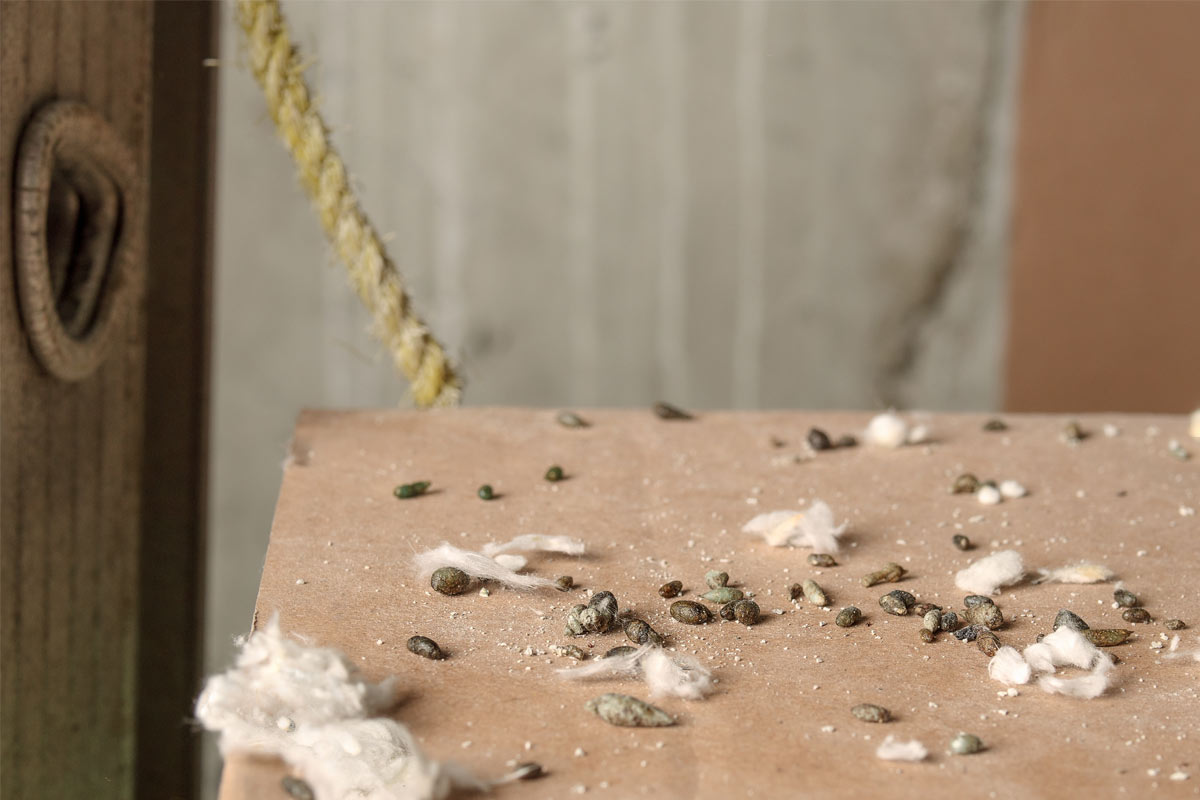
Pest droppings are often found near food sources, storage areas, or along walls. Their size and shape can indicate the type of pest present, such as rodents or insects. Even a small amount suggests ongoing activity rather than a one-time intrusion.
- Shed Skins or Wings
Insects, such as cockroaches and beetles, shed their skins as they grow. These remains are commonly found in hidden or undisturbed areas, such as behind appliances or inside cabinets. Finding shed skins often means pests have been present for some time.
- Chew Marks on Packaging or Surfaces
Rodents chew through cardboard, plastic, and even wood to access food or create nesting paths. These marks usually appear on food packaging, baseboards, or stored items. Chewing damage indicates pests are actively moving through the space.
- Grease Trails and Smear Marks
Some pests leave dark, greasy marks as they travel along walls and floors. These trails form over time, showing repeated movement along the same paths. Their presence signals established travel routes within the home.
- Unusual or Musty Odours
Persistent smells can come from droppings, nesting materials, or decaying organic matter. These odours often linger in enclosed spaces, such as cupboards or storage rooms. A strong or unexplained smell is often a sign of hidden pest activity.
Spotting these warning signs early enables homeowners to take action before pests spread further. Addressing the source items and conditions at this stage makes control more effective and helps prevent long-term infestations.
Simple Habits to Reduce Pest Attraction at Home
Preventing pests starts with small, consistent actions that reduce their access to food, water, and shelter. Many infestations develop slowly because these habits are overlooked or done inconsistently. By adjusting daily routines, homeowners can significantly lower the chances of pests settling indoors.
- Store Food in Sealed Containers
Airtight containers prevent food smells from spreading and block pests from reaching crumbs or dry goods. This applies to pantry items, pet food, and even snacks left on counters.
- Clean Spills and Crumbs Right Away
Small spills may seem harmless, but they quickly become food sources for ants and insects. Prompt cleaning removes attractants before pests have time to find them.
- Reduce Moisture in Problem Areas
Drying sinks, counters, and bathroom floors limits water access. Fixing leaks early also prevents damp spaces that can attract pests.
- Declutter Storage and Living Spaces
Reducing clutter removes hiding and nesting spots. Fewer items on floors and shelves make it harder for pests to stay unnoticed.
- Inspect Common Pest Areas Regularly
Checking under sinks, behind appliances, and in storage areas helps catch early signs of problems. Early detection makes pest issues easier to manage.
When these habits are practiced consistently, the home becomes far less appealing to pests. Addressing food, moisture, and shelter simultaneously, rather than in isolation, maximizes the effectiveness of prevention.
When Household Fixes Are Not Enough
Even with good habits, some pest problems continue to return. This often happens when pests have already established nests in hidden areas. At this stage, surface-level fixes may no longer be effective in resolving the problem.
- Repeated Sightings Despite Cleaning
Seeing pests regularly often means they are breeding nearby. Cleaning alone does not eliminate nests hidden in walls or structural gaps.
- Pests Appearing in Multiple Rooms
When pests spread beyond one area, it indicates a more extensive infestation. They may be travelling through walls, ducts, or floor voids.
- Signs of Damage or Contamination
Chew marks, droppings, or foul odours indicate ongoing activity. These signs indicate that pests are well-established rather than passing through.
- DIY Treatments No Longer Working
Store-bought solutions may reduce numbers temporarily but miss the source. Improper use can also encourage pests to move into new areas of the home.
With these emergency pest situations, professional help becomes necessary. A trained pest control service can identify hidden attractants, treat the root cause, and prevent the infestation from returning.
Stop Hidden Pest Problems with Mr. Pest Control
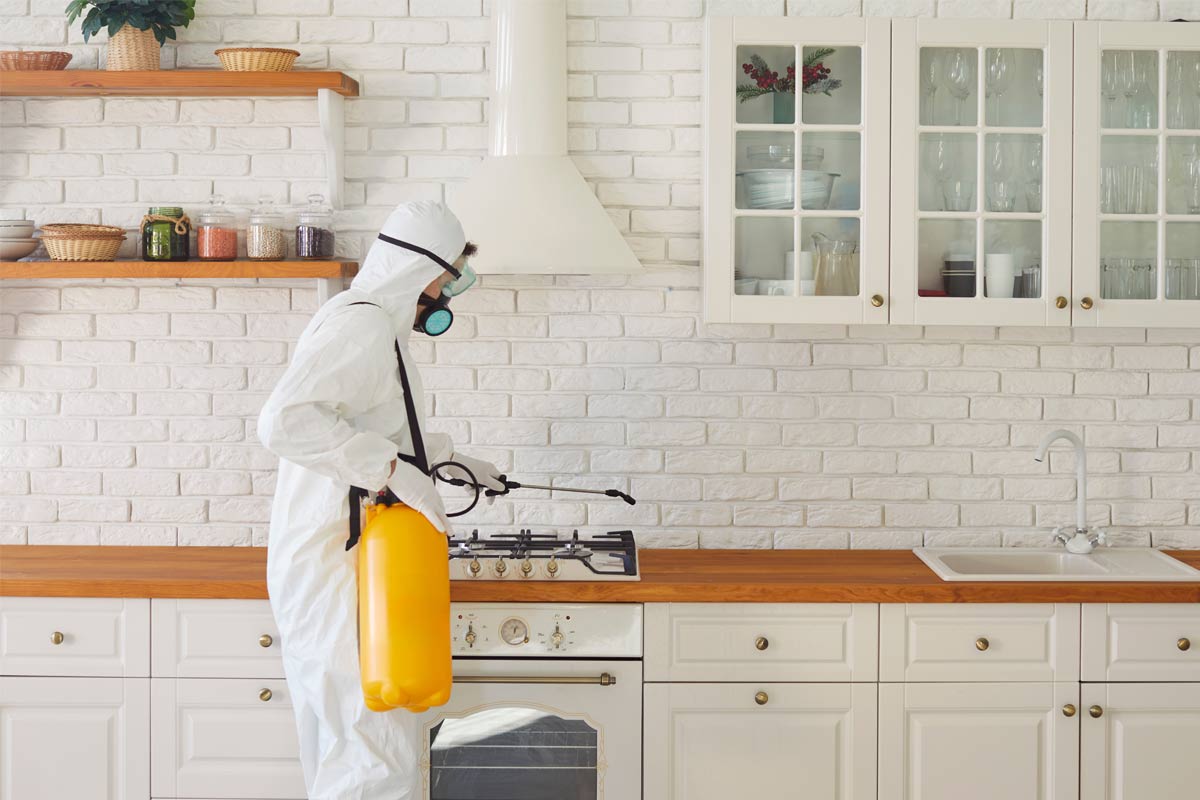
Small household oversights can quickly turn into major infestations without proper action. Mr. Pest Control provides reliable solutions that target both pests and the conditions that attract them. If recurring issues persist, professional pest control in Midland helps protect your home, restore comfort, and prevent future problems with confidence. Call us today at 705-739-7378.