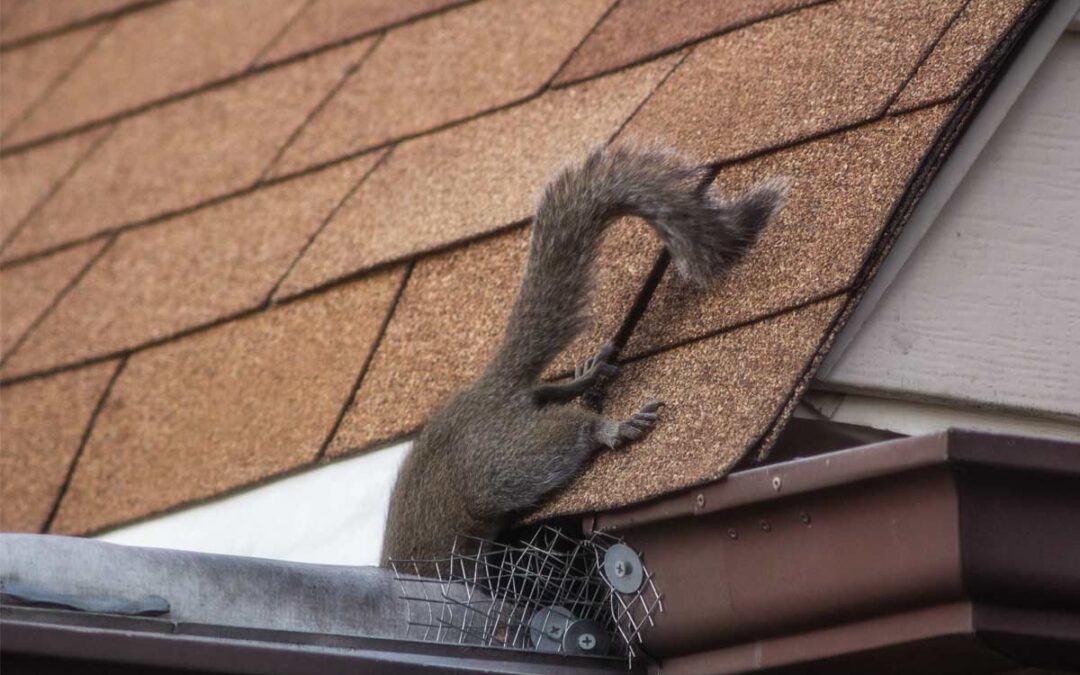
Squirrels can seem harmless when seen outside your home, but once they enter attics, walls, or vents, they can cause serious damage. They chew through insulation, wiring, and wood, creating safety hazards and costly repairs. Homeowners need to understand the risks, legal considerations, and safe removal methods before trying to remove squirrels themselves. Taking precautions can save time, money, and stress while keeping your family safe.
Why Squirrel Removal Requires Care
Squirrel removal is more complicated than it looks. Attempting it without understanding the risks can lead to injuries, property damage, or legal trouble. Knowing what to expect helps homeowners prepare and choose the right method for safe and effective removal.
Risks to Your Home
Squirrels have strong teeth and can chew through wood, wires, and insulation. Chewed electrical wires are a fire hazard, and damaged insulation reduces your home’s energy efficiency. Attics and walls are often targeted for nests, which can weaken structural components. Even a small infestation can result in thousands of dollars in repairs if not addressed promptly.
Risks to Health and Safety
Squirrels carry diseases like leptospirosis and rabies. Contact with droppings or urine can expose homeowners to bacteria and parasites. Bites or scratches can happen if squirrels feel cornered or threatened. Handling nests or contaminated insulation without proper precautions increases the risk of illness.
Legal Considerations
Squirrels are considered wildlife in many areas and are sometimes protected under local laws. Trapping or relocating them may require permits, and improper handling can result in fines or other penalties. Homeowners should research local wildlife regulations before attempting any removal.
Hidden Property Damage
Squirrels often chew in areas that are not immediately visible, such as inside walls or vents. This hidden damage can go unnoticed for months, leading to expensive repairs later. Checking for unusual sounds or subtle signs can help identify problems early and reduce repair costs.
Signs You Have a Squirrel Problem
Identifying a squirrel problem early prevents extensive damage and makes removal easier. Many homeowners are unaware squirrels are present until they notice serious damage. Recognizing physical signs, noises, and entry points helps determine the best approach.
Common Physical Signs
Look for chewed wires, wooden beams, or insulation in attics or walls. Squirrel droppings and urine stains are often found near nests. Torn insulation or shredded nesting material indicates that squirrels have established a home inside. Early detection allows for timely intervention before the damage spreads.
Noises and Sightings
Scratching, scampering, or thumping noises in walls or attics are strong indicators of squirrel activity. Squirrels are mostly nocturnal, so daytime sightings are unusual and often signal a serious problem. Damaged bird feeders or gnawed garden plants are further evidence that squirrels are nearby.
Entry Points
Squirrels can enter through small holes in roofs, eaves, vents, or soffits. Gaps around chimneys or attic vents are commonly exploited. Cracks in siding or foundations provide easy access. Identifying these entry points is essential before starting removal to prevent reinfestation.
Signs of Nesting
Squirrels often build nests from insulation, leaves, or shredded paper to create a safe and warm space. These nests are commonly found in attics, vents, or roof cavities where squirrels feel protected from predators. Spotting nests early helps homeowners understand how many squirrels may be present and informs the most effective removal method.
DIY Squirrel Removal Options
Some homeowners prefer to handle squirrel removal themselves. While minor issues can be addressed at home, it’s important to know which methods are effective and safe. Choosing the right strategy helps protect both the homeowner and the squirrel.
Live Traps
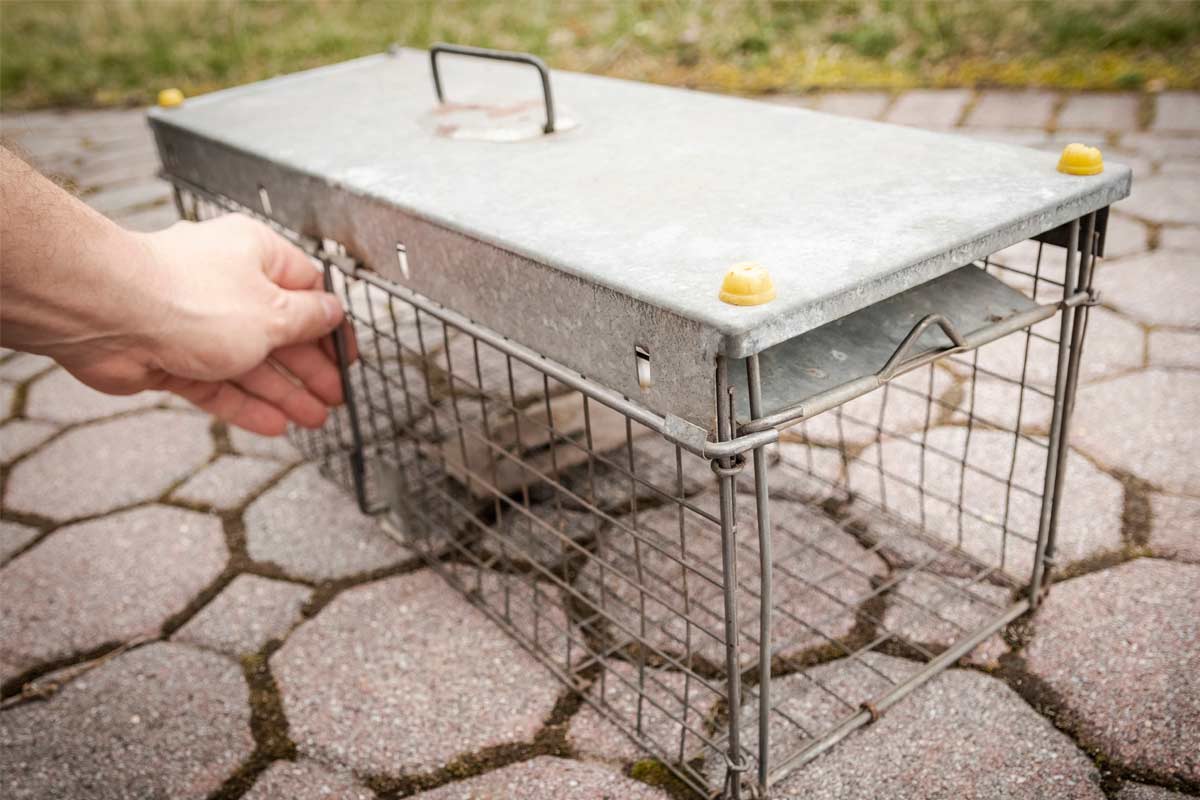
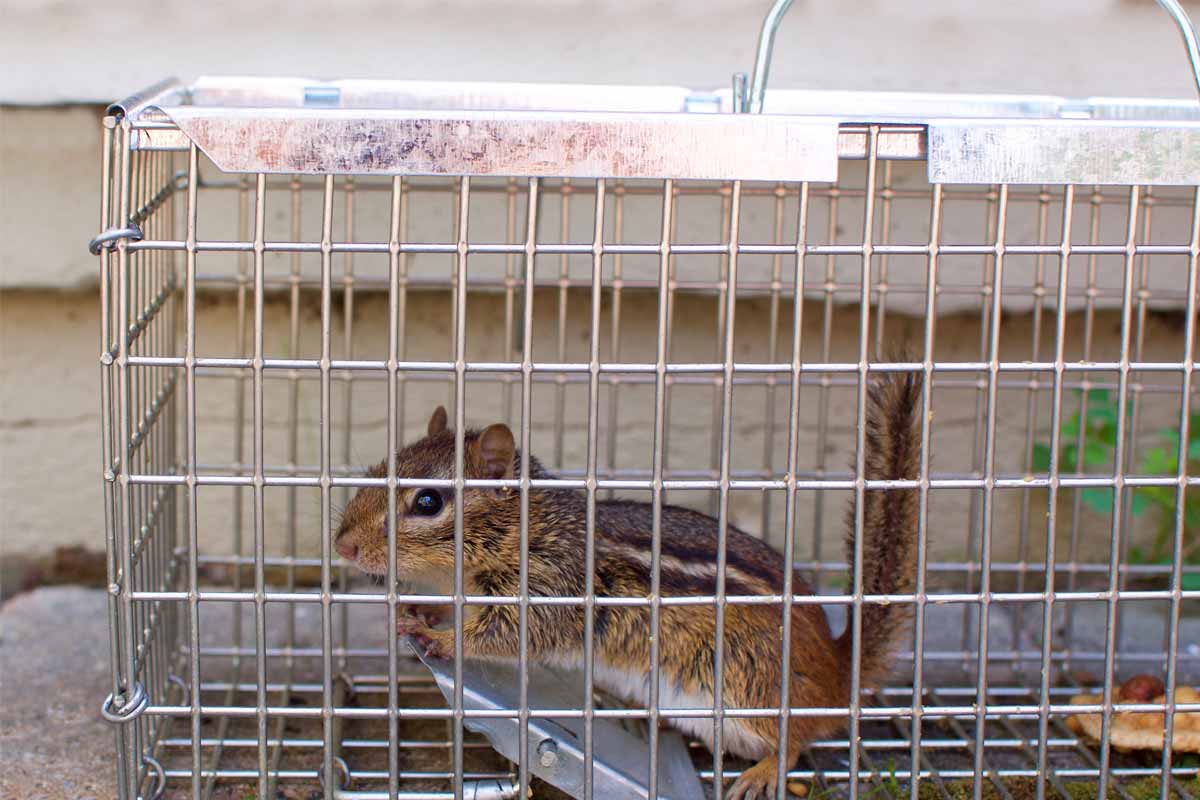
Live traps allow homeowners to catch squirrels without harming them. Bait such as nuts, seeds, or fruit is used to lure squirrels inside. Traps must be checked frequently to avoid stress or injury to the animals. Local laws often dictate where and how squirrels can be released, so homeowners must follow regulations carefully.
Exclusion Techniques
Exclusion involves blocking the entry points squirrels use to access your home. Hardware cloth, metal flashing, and chimney caps are effective barriers. Trimming tree branches that overhang the roof also reduces access. Exclusion works best when paired with removal, ensuring that squirrels already inside cannot escape and return later.
Repellents
Squirrel repellents include sprays, granules, or electronic devices that deter animals with taste, smell, or sound. Repellents may work temporarily but are rarely a long-term solution. Squirrels are intelligent and may adapt to the deterrents over time. Using repellents alongside exclusion methods increases their effectiveness.
Why Professional Help May Be Necessary
While DIY removal works in some cases, professionals provide expertise that homeowners usually lack. They can remove squirrels safely and ensure the problem is fully resolved. Professional intervention reduces risks to both the home and the family.
Expertise and Equipment
Professionals use humane traps and relocation tools to prevent harm to squirrels. Protective gear shields them from bites and exposure to diseases. They understand squirrel behavior, which allows them to remove infestations efficiently. Without proper knowledge, homeowners may miss hidden nests or entry points.
Efficient and Humane Removal
Professional removal reduces stress and injury to squirrels. Complete removal ensures that animals do not return quickly. Experts also safely dispose of contaminated insulation and nesting materials, which can contain bacteria, parasites, and other hazards.
Prevention and Follow-Up
Experts identify entry points homeowners may overlook. They provide advice on long-term strategies to prevent squirrels from coming back. This includes recommendations on maintenance, landscaping, and ongoing monitoring. Professional follow-up helps maintain a squirrel-free home for years.
Handling Large or Aggressive Squirrels
Some squirrels can be aggressive, especially during mating season or when protecting young. Professionals know how to handle these animals safely. Attempting to manage aggressive squirrels alone increases the risk of injury or incomplete removal.
Prevention Strategies for Homeowners
Prevention is more effective than removal. Taking proactive measures reduces the chance of future infestations. A combination of home maintenance, landscaping adjustments, and seasonal monitoring is the most effective strategy.
Home Maintenance
Seal cracks, holes, and gaps in exterior walls to block squirrel access. Chimney caps and roof vents should be installed or repaired. Cleaning gutters regularly prevents squirrels from nesting nearby. Maintaining the exterior of your home reduces the risk of squirrels finding easy entry points.
Landscaping Adjustments
Trim tree branches that overhang roofs to limit access. Avoid leaving pet food or birdseed in open areas where squirrels can reach it. Using squirrel-resistant feeders helps prevent attracting them. Landscaping adjustments make the environment less inviting to squirrels.
Seasonal Considerations
Inspect your home before winter and spring when squirrel activity increases. Remove old nests in late summer or fall to discourage reuse. Monitor during mating seasons, as squirrels are more active and likely to enter homes. Seasonal vigilance prevents problems before they escalate.
Handling Large or Aggressive Squirrels
Some squirrels can be aggressive, especially during mating season or when protecting young. Professionals know how to handle these animals safely. Attempting to manage aggressive squirrels alone increases the risk of injury or incomplete removal.
Common Mistakes to Avoid During Squirrel Removal
Mistakes during removal can worsen infestations. Awareness of common errors helps homeowners avoid costly or dangerous outcomes. Legal, safety, and procedural mistakes are especially common.
Ignoring Legal Regulations
Always check local wildlife laws before trapping or relocating squirrels. Avoid methods that are illegal, such as unapproved euthanasia. Failing to comply with regulations can lead to fines or legal consequences.
Incomplete Removal
Not sealing entry points guarantees squirrels will return. Leaving baby squirrels behind can cause distress and attract adult squirrels back to the home. Full removal requires both eliminating squirrels inside and preventing access in the future.
Using Harmful Chemicals
Poison can be dangerous to children, pets, and other wildlife. Chemicals rarely resolve long-term infestations. Using safer alternatives, like traps and exclusion, is a more effective and responsible approach.
When to Call Wildlife Control Experts
Some squirrel infestations require professional attention. Large infestations, hard-to-reach areas, or repeated returns are signs homeowners should call experts. Early professional help minimizes property damage and health risks.
Large Infestations
Multiple squirrels in attics, walls, or chimneys indicate serious problems. Extensive damage or contamination requires expert removal. Professionals have the tools and knowledge to handle larger infestations efficiently and safely.
Persistent Returns
Squirrels that repeatedly breach sealed areas need professional intervention. DIY methods often fail to deter persistent squirrels. Experts can assess the situation and provide long-term solutions that prevent repeat infestations.
Safety Concerns
Handling squirrels can expose homeowners to bites, scratches, and diseases. Professionals have protective equipment and training to remove squirrels safely. Ensuring safety reduces the risk of accidents during the removal process.
Complex Home Structures
Homes with multiple levels, attics, or interconnected spaces may hide nests. Professionals can navigate these areas safely and ensure no squirrels are missed. Attempting DIY removal in complex homes increases the risk of incomplete removal or injury.
Protect Your Home with Mr. Pest Control – Expert Squirrel Removal in Orillia
Don’t let squirrels damage your attic or walls. Mr. Pest Control provides safe, effective, and humane squirrel removal in Orillia. Our team ensures complete removal and secures your home against future infestations. Schedule a consultation today to get professional squirrel removal services in Orillia. Call now at 705-326-3377.