
April is a massive moving month across Canada. Boxes are packed, leases are signed, and anticipation is high. However, unlocking the door to a new apartment or house should not mean unlocking a nightmare. Moving into an active infestation turns a fresh start into an immediate crisis. Preventing this requires aggressive, proactive pest control the moment you receive the keys.
The Essential Role of Pest Control Before Unpacking
Once furniture crosses the threshold, an empty-room problem becomes a whole-house catastrophe. Empty units provide an unobstructed view; visible baseboards, exposed carpets, and bare closets make a thorough inspection much easier.

Relying on property management isn’t enough; taking personal responsibility for initial pest control checks saves thousands in ruined furniture and future treatments. An empty apartment is a blank canvas where dark, telltale signs stand out against clean surfaces. If a previous tenant had an issue, the physical remnants will still be waiting in the cracks and crevices.
Understanding the Enemy: The Hitchhiker Biology
Bed bugs are parasitic insects that feed exclusively on mammalian blood. They do not fly, and they lack the anatomy to jump. Instead, they are the ultimate hitchhikers. They spread across the country by crawling into luggage, hiding deep within the seams of upholstered furniture, and catching a ride inside cardboard moving boxes.
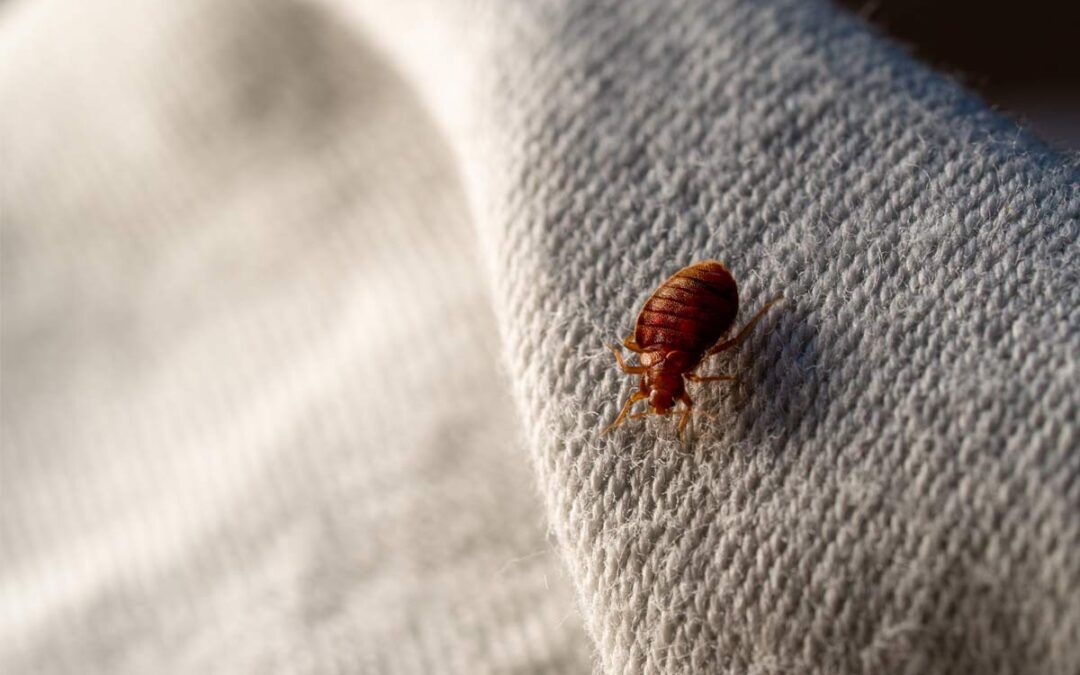
An adult is roughly the size and shape of an apple seed; flat, oval, and reddish-brown. Nymphs (juveniles) are much smaller and nearly translucent, making them incredibly difficult to spot against light-coloured walls or baseboards.
Since these insects can survive for several months without a blood meal in optimal conditions, an empty apartment in April does not mean a starved-out infestation. They simply go into a state of semi-dormancy, hiding deep inside the wall voids, waiting for a new host to arrive and exhale carbon dioxide.
The Empty Unit Walkthrough: Your Inspection Toolkit
Do not rely on overhead room lighting or the midday sun to spot a problem. Before signing the final condition report, bring a dedicated inspection kit to the property.
- High-Lumen Flashlight: A standard smartphone light is entirely insufficient. You need a bright, concentrated LED beam to illuminate deep crevices, floorboard gaps, and dark closet corners.

- Magnifying Glass: This is essential for identifying tiny eggs and translucent, early-stage nymphs.
- Plastic Card: A stiff plastic card or a thin putty knife is perfect for swiping under baseboards and forcing hidden debris, cast skins, or live insects out into the open.
- Latex Gloves: Physical protection is necessary when dragging fingers along dirty baseboards, behind old appliances, and inside dusty heating registers.
- Screwdriver: Highly useful for safely removing electrical faceplates, which are notorious hiding spots in multi-unit buildings.
The Telltale Signs: Exactly What to Look For
You are rarely looking for a live, crawling insect during a daytime walkthrough. Since they are photophobic (light-averse), you are hunting for the forensic evidence they leave behind.
- Fecal Spotting: This is the most common and undeniable indicator. It looks like small, dark stains from a black permanent marker. Since it is digested blood, it will not flake off easily. Look for these tight clusters of dots along baseboards, door frames, and electrical outlets.
- Cast Skins: As these insects grow through their life stages, they moult and shed their exoskeletons multiple times. These discarded shells look exactly like live bugs but are hollow, translucent, and flaky.
- Blood Stains: Keep an eye out for small, unexplained rust-coloured smears on leftover window treatments, radiator covers, or light-coloured carpets near where beds would traditionally be placed.
- Eggs: The eggs are tiny, pearl-white, and about the size of a pinhead. They are coated in a sticky substance and are often found clustered deep within structural cracks.
Room-by-Room Attack Plan: Where They Hide in Empty Spaces
An empty room removes the obvious hiding spots like mattresses and couches, forcing the pests to retreat into the structural elements of the building itself.
The Bedrooms
This room is ground zero. Parasites want to be as close to their food source as possible.
- Inspect every inch of the baseboards, using the plastic card to scrape the gap between the wooden trim and the floor.
- Shine the flashlight into the sharp corners of closets, paying close attention to where the shelving units meet the drywall.
- Remove the electrical outlet covers and wall switch plates. Look for black spotting behind the plastic shielding.
- Examine the tracks of sliding closet doors and the metal hinges of standard entry doors.
The Living Room
This is the secondary feeding zone, typically where couches and recliners sit for extended periods.
- Check where the carpeting meets the baseboard. Pull back the edge of the carpet slightly if the tack strip allows it.
- Inspect any existing window coverings, blinds, or wooden curtain rods left behind by the previous tenant.
- Look closely at peeling paint, loose wallpaper, or cracked plaster. These insects love to flatten their bodies behind tearing paper.
The Kitchen and Bathrooms
While less common, severe and unmanaged infestations will eventually spread to these rooms.
- Check the gaps where the kitchen cabinets meet the walls and ceilings.
- Inspect the area directly behind the refrigerator and stove, as the continuous heat from the appliance motors can attract them.
The Science of Scent: Advanced Detection Methods
Beyond visual evidence, severe infestations emit a distinct musty odour resembling rotting raspberries, wet towels, or raw coriander due to their alarm pheromones. While canine teams frequently hunt this scent, science is advancing.
According to a study, volatile organic compounds (VOCs) offer an environmentally friendly, reliable, and cost-effective alternative for bed bug detection, with their identification aiding in effective control management (Akhoundi et al., 2023).
Recognizing this specific scent profile can quickly alert a vigilant renter to a hidden infestation before moving a single piece of furniture indoors.
Moving Trucks and Storage Units: The Hidden Transfer Zones
Your destination isn’t the only risk; the journey itself is a major vulnerability. Shared rental trucks change hands constantly, and previous renters may unknowingly leave bed bugs behind in wooden slats or moving blankets. Always thoroughly inspect the cargo bay with a flashlight before loading.
Apply this same vigilance to self-storage facilities. Whether moving across the GTA or managing pest control in Collingwood, treating transit vehicles and storage units as high-risk transfer points is a mandatory defensive step.
Managing Shared Spaces in Apartment Buildings
For those moving into Canadian condominiums or high-rise apartment buildings, the threat extends far beyond your specific unit. Shared amenities (like elevators, main lobbies, and garbage chutes) are high-traffic transfer points. Protect your space by following these building hygiene rules:
- Inspect Communal Laundry Rooms: Never leave clean clothes resting on shared folding tables or communal seating areas.
- Seal Your Laundry: Carry your clothes in sealed plastic bags, transferring items directly from the hot dryer into the bag to prevent hitchhikers.
- Watch the Hallways and Dumpsters: If you notice neighbours throwing out mattresses or leaving upholstered furniture near the trash with slashed fabric or warning signs, this is a major red flag of an active infestation within the building’s ecosystem.
Awareness of your building’s overall hygiene dictates how fiercely you must protect your own space.
Action Plan: What Happens If You Find Evidence?
If your empty-unit walkthrough reveals any undeniable evidence, halt the move immediately. Do not bring a single box inside.
- Document Everything: Take clear, well-lit photos and videos of the live bugs, cast skins, or fecal spotting before leaving the room.
- Contact Management: Notify the landlord or property manager instantly. In Canada, landlords are legally responsible for maintaining a safe, pest-free living environment under provincial residential tenancy acts.
- Demand Professional Remediation: Do not accept store-bought chemical sprays or at-home treatments. Demand that a licensed exterminator assess and treat the unit entirely before you take possession of the keys.
The First 30 Days: Maintaining a Defensive Perimeter
Even if the initial walkthrough is perfectly clear, your first month in a new home requires heightened, ongoing vigilance. Early-stage introductions often leave minimal visual evidence until the pests begin feeding regularly. To maintain a defensive perimeter, follow these steps:
- Install Interceptors: Place plastic interceptor cups under all four legs of your bed frame to trap anything attempting to climb up from the floor.
- Isolate the Bed: Pull your bed frame a few inches away from the wall, ensuring that blankets and sheets do not drape down to touch the floor.
- Monitor Daily: Check your sheets every morning for small, unexplained blood spots.
Catching a tiny introduction in the very first week makes eradication dramatically faster and easier than discovering a deeply entrenched population six months later.
Protect Your New Home from Day One
Your new home should be a sanctuary, not a source of constant anxiety. Stop pests at the front door by treating your April move with the careful, proactive mindset of an inspector. If you suspect your new home is compromised, or you want to guarantee your fresh start remains completely secure, professional intervention is the only definitive answer.
For rapid, expert eradication and to permanently eliminate bed bugs in Barrie and the surrounding areas, contact Mr. Pest Control immediately at (705) 739-7378.
