
When spring’s new life moves indoors, the excitement quickly fades. Scratching in the attic or thumping under the deck means an animal has turned your property into a maternity ward. This massive surge in Canadian urban animal activity makes proper wildlife control a time-sensitive necessity. Ignoring these early warnings only allows a small family to grow into a major infestation, severely compromising your home’s safety and structural integrity.
The Reality of Spring Wildlife Control
As the Canadian frost thaws, animals seek safe human structures like roofs and crawlspaces to give birth. This makes addressing an invasion in April drastically different from October.
Removing an adult now almost guarantees leaving a hidden litter of starving babies behind. To avoid foul odours, severe structural damage, and ethical violations, effective and humane eviction requires a careful strategy based on a deep understanding of maternal instincts and animal behaviour.
Spotting the Signs of an Active Nursery
An animal nursing young behaves differently than a solitary, wintering forager. The signs of an active nest are distinct and require immediate attention before the babies become fully mobile and start causing their own widespread damage.

- Distinct Vocalizations: Listen closely for high-pitched chattering, squeaking, or bird-like chirping coming from above the ceiling or behind the drywall. Raccoon babies are notoriously loud, often sounding like a group of arguing birds or muffled crying.
- Daytime Activity: While adult raccoons and skunks are typically nocturnal, a nursing mother will often forage during daylight hours. She needs to sustain massive caloric requirements to produce milk, forcing her to break her normal, instinctual schedule.
- Targeted Structural Damage: Look for freshly torn shingles, chewed wooden fascia boards, or violently bent aluminum soffits. Mothers are desperate and possess the sheer strength to rip through standard building materials to secure a den for their young.
- Latrine Sites and Smudge Marks: Accumulations of animal waste near the entry point indicate an established den. Look also for dark, greasy smudge marks on brickwork or downspouts, left behind by the dirt and oils in a raccoon’s fur as it repeatedly climbs the exact same path to the roof.
The Dangers of Hasty Evictions
Standard trapping methods fail miserably during baby animal season. If an adult female is caught in a cage and relocated, the immobile babies remain trapped inside the structure. This scenario creates entirely new, severe problems for a property owner.
- Extreme Property Damage: A mother separated from her young exhibits incredible destructive power. She will completely destroy siding, roofing, and vents, tearing the house apart from the outside to get back inside to her litter.
- Severe Health Hazards: Orphaned babies that perish inside wall voids create unbearable, lingering odours. This also attracts secondary pest infestations, drawing in blowflies, maggots, and dermestid beetles, which will eventually find their way into the living areas of your home.

- Fire Risks: Animals nesting in attics routinely chew through electrical wiring. Leaving an active nest near exposed wires drastically increases the risk of a catastrophic electrical fire.
- Legal Ramifications: In Canada, specific wildlife protection laws strictly govern how and when certain species can be trapped or relocated, especially during breeding seasons. Inhumane separation often violates these provincial regulations.
Smarter Solutions: Deterrents and Modification
Instead of immediately reaching for a cage, altering the physical environment is a highly proven strategy to make the property unappealing to a mother seeking a dark, quiet nest. This concept of environmental manipulation is crucial.
According to a study, trapping is a useful tool for catching nuisance wildlife in lawns, but habitat modifications and deterrents are often more effective and simpler solutions (Ober et al., 2012).
- Light and Noise Harassment: Floodlights and battery-operated radios tuned to talk stations placed safely near the suspected den site disrupt the quiet, dark environment babies need. Mothers feel highly threatened by constant human voices and bright lights.
- Scent Repellents: Ammonia-soaked rags placed near (but not directly on) the entry points can mimic the strong urine scent of a natural predator, encouraging the mother to pack up and leave voluntarily.
- Resource Removal: Securing garbage bins with locking lids, removing bird feeders that drop seeds, and trimming tree branches at least six to eight feet away from the roofline eliminates the natural bridges and food sources that attracted the animal in the first place.
Common Canadian Spring Invaders
Knowing the specific species helps dictate the precise response strategy. Each animal has a distinct timeline for when their young become mobile and capable of leaving the nest.
- Raccoons: The heavyweights of urban property damage. Babies are born blind and deaf, remaining completely dependent inside the attic for six to eight weeks before they start venturing out.
- Squirrels: Red and Eastern Grey squirrels chew through siding and vents to nest in insulation, often trampling it down and ruining its resistance value. Managing wildlife control in Collingwood often involves dealing with heavy squirrel populations transitioning from forested borders directly into residential attics.
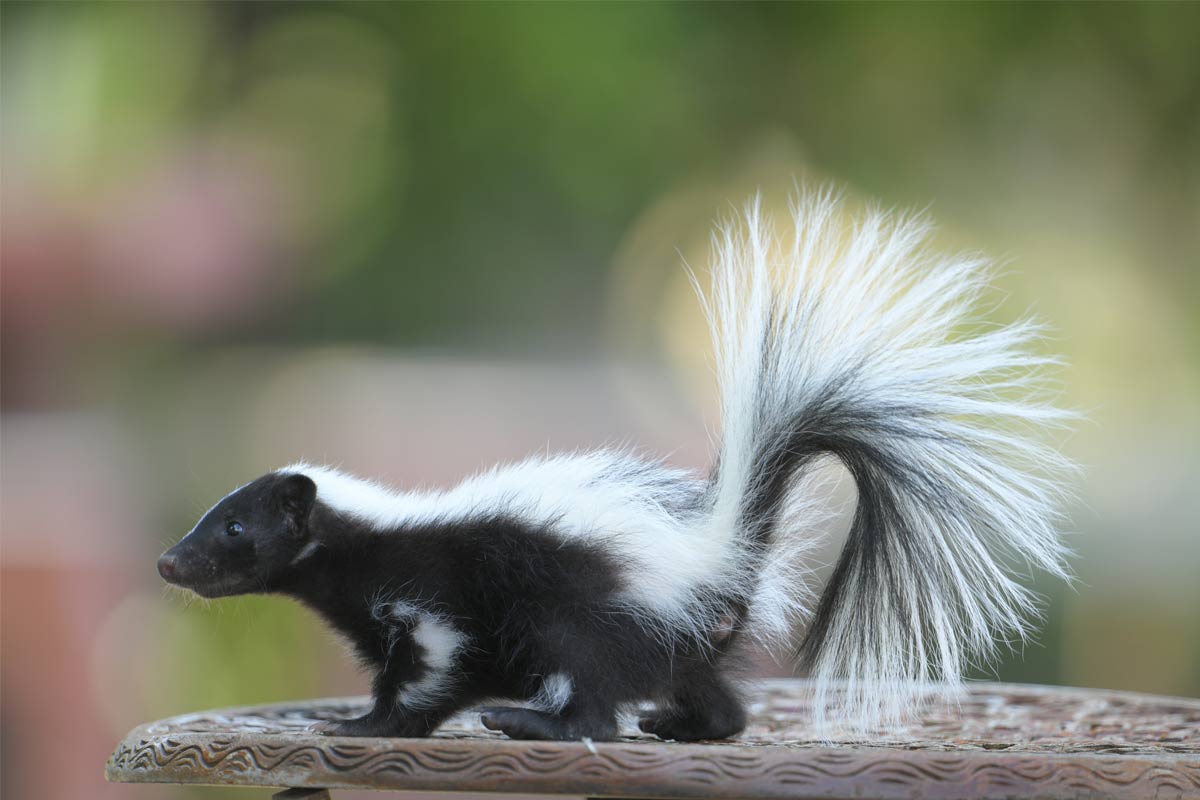
- Skunks: Preferring the ground floor, skunks will vigorously burrow under porches, wooden decks, and concrete slabs. Removing a mother skunk leaves babies that will soon start spraying out of fear, making removal incredibly difficult and highly unpleasant.
- Birds: Starlings and sparrows frequently bypass exterior vent covers, building highly flammable nests inside dryer and bathroom exhaust pipes, which blocks vital airflow.
The Safe Exclusion Process
Once the babies are confirmed to be mobile and actively following their mother, or if the mother has successfully relocated them due to harassment deterrents, the physical entry points must be permanently sealed.
- Mechanical One-Way Doors: This is the gold standard for humane eviction. A specialized mechanical door is installed directly over the primary entry hole. The animal can push its way out to forage for food but cannot pull the door open to re-enter.
- Mandatory Observation Periods: The one-way door must remain in place for several days to ensure every single animal has vacated the premises. Animals are persistent; if the main door is blocked, they will aggressively inspect the entire perimeter for a secondary weakness.
- Heavy-Duty Repairs: Once the den is completely empty, the breach must be fortified using galvanized steel mesh or heavy-gauge sheet metal. Desperate animals will simply chew right through standard chicken wire, expanding foam, or silicone caulk.
- Professional Sanitization: The abandoned den must be heavily cleaned to remove feces, urine, and nesting materials. Raccoon droppings frequently harbour roundworm eggs, while bird droppings carry histoplasmosis spores.
Evict Spring Invaders for Good
Waiting for animals to leave on their own is a gamble that guarantees expensive repairs and hazardous cleanups. With babies involved, humane, precise tactics are non-negotiable. Stop the damage before the nest multiplies. If an animal has claimed your home this April, our experts are ready. For safe, permanent wildlife control in Barrie, call Mr. Pest Control at (705) 739-7378 today.
