
Winter comes, and winter goes, and now that we’re well into spring, it’s easy to appreciate the milder weather and the regrowth of nature around us. However, we aren’t the only ones waking up and stretching our legs after a cold winter. Spring is a season of regrowth and renewal, and includes various insects and rodents, many of them pests. With spring, many of these pests emerge from winter dormancy in search of food, water, and suitable nesting sites to raise their new offspring, because who said spring was only a time of growth for the parts of nature we find convenient.
Like many other elements of the house, it’s vital you have strategies to deal with pests. That preparation also includes plans to keep your home from becoming an attractive destination for these unwanted guests. Getting ready for the new season doesn’t just require a thorough, top-to-bottom spring cleaning, but also a meticulous approach that covers the house’s interior and exterior to ensure a comfortable, pest-free living space.
1. Conduct a Comprehensive Exterior Perimeter Audit
Keeping the house free of pests starts (and this might come as a surprise) with your exterior. During the winter, freezing and thawing cycles can cause subtle shifts in the house’s structure, which can create small fissures that pests find irresistible. Begin by walking around the entire foundation of your house. Look for any cracks in the parging or gaps where utility lines (such as gas or water pipes) enter the building. Any gap (even the small ones) can be enough for insects or rodents to squeeze through, and so isn’t something to ignore.
Pay particular attention to the area where the siding meets the foundation. In case of any visible openings, use a high-quality exterior caulk or weather-resistant sealant. For larger gaps around pipes, use steel wool or copper mesh to help rodent-proof this part of the house; rodents are unable to gnaw through these metallic materials. Reinforcing your home’s exterior defences lets you create a formidable barrier that minimizes the opportunities for pests to even enter the house.

2. Prioritize Eavestrough and Gutter Maintenance
Spring showers are a hallmark of the season, but they can also contribute to pest problems if your drainage system is compromised. Throughout the autumn and winter, it’s common for eavestroughs to become clogged with fallen leaves, twigs, and organic debris. When spring rains arrive, these blockages can then cause water to back up and pool. The resulting stagnant water can in turn become a breeding ground for mosquitoes, which can begin their life cycle in as little as a few centimetres of standing liquid.
Furthermore, damp organic matter in the gutters also provides a rich environment for earwigs, ants, and even certain types of cockroaches. Ensure that your gutters are cleared of all debris so water can flow freely away from the structure. Also take care that your downspouts extend at least two metres away from the foundation to prevent soil saturation near the basement walls.
3. Implement Strategic Landscaping Adjustments
There’s nothing quite like a lush garden in the middle of spring, but it also pays to take care where and how you plant to avoid making the job easier for any pests. Dense vegetation, such as shrubs and ornamental grasses, can provide excellent cover for rodents and pathways for crawling insects to reach your home. To minimize this risk, it helps to pest-proof the garden to keep them from passing through to the house. The trick is to maintain a buffer zone between your landscaping and your home’s exterior walls.
Prune all tree branches and bushes so they are at least one metre away from the roofline and siding. Branches that touch the house act as natural bridges, allowing ants, spiders, and squirrels easy access to your windows and eaves. On another note, avoid piling organic mulch directly against the foundation. Mulch retains moisture and provides a soft substrate for pests to burrow. Instead, use a strip of gravel or decorative stones approximately thirty centimetres wide around the base of the house to create a dry, unattractive zone for insects.
4. Optimize Window and Door Integrity
As the weather improves, it’s tempting to want to open windows and let some fresh air inside. However, every open window is a potential entry point for flying insects like flies, wasps, and moths. Before the first warm day, give all your window screens an inspection for tears, punctures, or loose frames. Even a tiny hole can allow flying insects entry inside the house.
In case of any damage, use screen patch kits to repair the gaps or replace the mesh entirely if it has become brittle over time. Apply the same vigilance to door sweeps and weatherstripping while you’re at it. If you can see light filtering through the bottom or sides of a closed exterior door, there’s enough of an opening for pests to find their way through. Installing a durable brush-style door sweep or a rubber gasket can effectively seal these gaps. As an added bonus, this move also improves the energy efficiency of your home while you transition from heating to cooling.
https://www.pexels.com/photo/plastic-containers-with-orange-lids-13968342/
5. Establish Rigorous Kitchen and Pantry Hygiene
For many, the kitchen is the heart of the home; it’s also a premier destination for pests seeking a reliable food source. Spring cleaning gives you a golden opportunity to do a deep clean of the kitchen, particularly of your food storage areas. Remove everything from your pantry shelves and wipe them down with a mild soap solution to remove crumbs and sticky residues that can attract sweet-seeking ants.
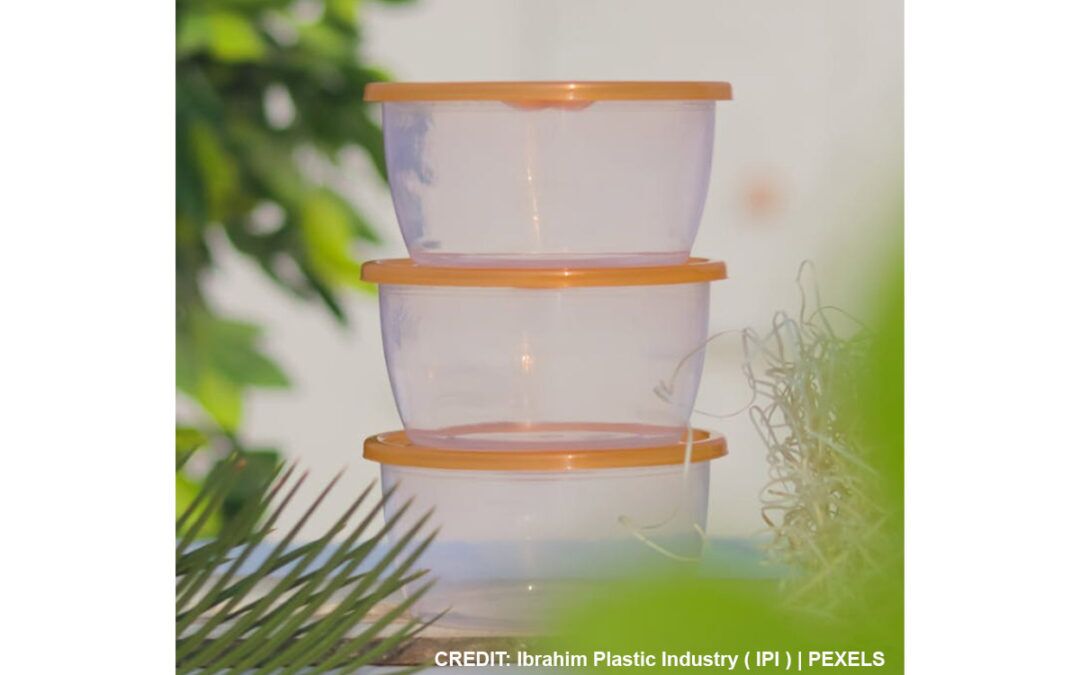
Inspect all dried goods (such as flour, cereal, and grains) for signs of pantry pests like weevils or Indian meal moths. To prevent future infestations, transfer food items from their original cardboard packaging into airtight glass or heavy-duty plastic containers. Cardboard is too easily penetrated by many pests and can even harbour silverfish. Additionally, make a daily habit of wiping down countertops, sweeping floors, and ensuring that no dirty dishes are left in the sink overnight. A kitchen devoid of accessible food is far less likely to host a pest population.
6. Address Indoor Moisture and Humidity Levels
It’s not just noises in the walls that might indicate an infestation, high humidity might be a factor too. Many common household pests, including silverfish, centipedes, and certain types of beetles, are drawn to environments with high humidity. The dampness associated with the spring thaw can increase moisture levels in basements and crawl spaces. Using a dehumidifier in these areas can help maintain a humidity level below fifty percent, making the environment much less hospitable for moisture-loving insects.
Furthermore, inspect under sinks and behind appliances for any slow leaks or “sweating” pipes. Even a small amount of persistent moisture can rot wood and attract carpenter ants, which can cause structural damage over time. Also take care that your bathroom exhaust fans are functioning correctly and are used during and after showers to vent humid air outside. Taking the time to moderate the internal climate of your home gives you an effective way to eliminate a key survival requirement for many pest species.
7. Revolutionize Waste Management Protocols
The way you handle household waste significantly influences the presence of pests in and around your property. Garbage and recycling bins that are not properly maintained become magnets for flies, wasps, and larger mammals like raccoons or skunks. Ensure that your waste bins are tightly-sealed to keep those pests out, and are emptied frequently to minimize any temptation for them.
When taking waste to the exterior bins, make sure the bags are securely tied. Wash your outdoor garbage and recycling containers periodically with a garden hose and a disinfectant to remove liquid spills or organic residue that creates odours. If possible, store these bins a few metres away from the house rather than directly against the walls. It also helps to watch your compost pile and avoid adding meat or dairy scraps, which are highly attractive to rodents.
8. Engage in Seasonal Professional Inspections
While many aspects of pest prevention can be managed by the homeowner, certain issues require a more specialized eye. Scheduling a professional pest inspection in the early spring can identify potential problems before they escalate into full-blown infestations. A technician can access difficult-to-reach areas, such as attic spaces and deep crawl spaces, to look for signs of overwintering pests or early nesting activity.
Professional services can also provide targeted treatments that are safe for your family and pets while remaining highly effective against specific local pests. They can identify subtle signs of termite activity or wood-boring beetles that might go unnoticed by an untrained observer. Investing in an annual check-up provides peace of mind and allows you to enjoy the beauty of the spring season without the constant worry of uninvited guests.
Like any other task around the house, it only takes a little vigilance to make your home less inviting for any pests. With these tips, you can take some steps to get your home ready for spring while also keeping the local pest population at bay. And with some hard work and preparation, you can rest assured that your home remains a private sanctuary, free from the disruptions and health concerns associated with common spring pests.

There’s no reason to let pests ruin your spring. Mr. Pest Control provides targeted, effective pest control solutions for a pest-free home. When you want detailed service that targets your problems at their source, you can count on us to provide. Call us now at: (705) 739-7378 (PEST) [Barrie], (705) 326-3377 [Orillia], (705) 739-7378 [Simcoe County], (705) 739-7378 [Midland & Area] and get some help from pest control services who can get the job done.
